
 0
0 Clearance Sale
  Brands


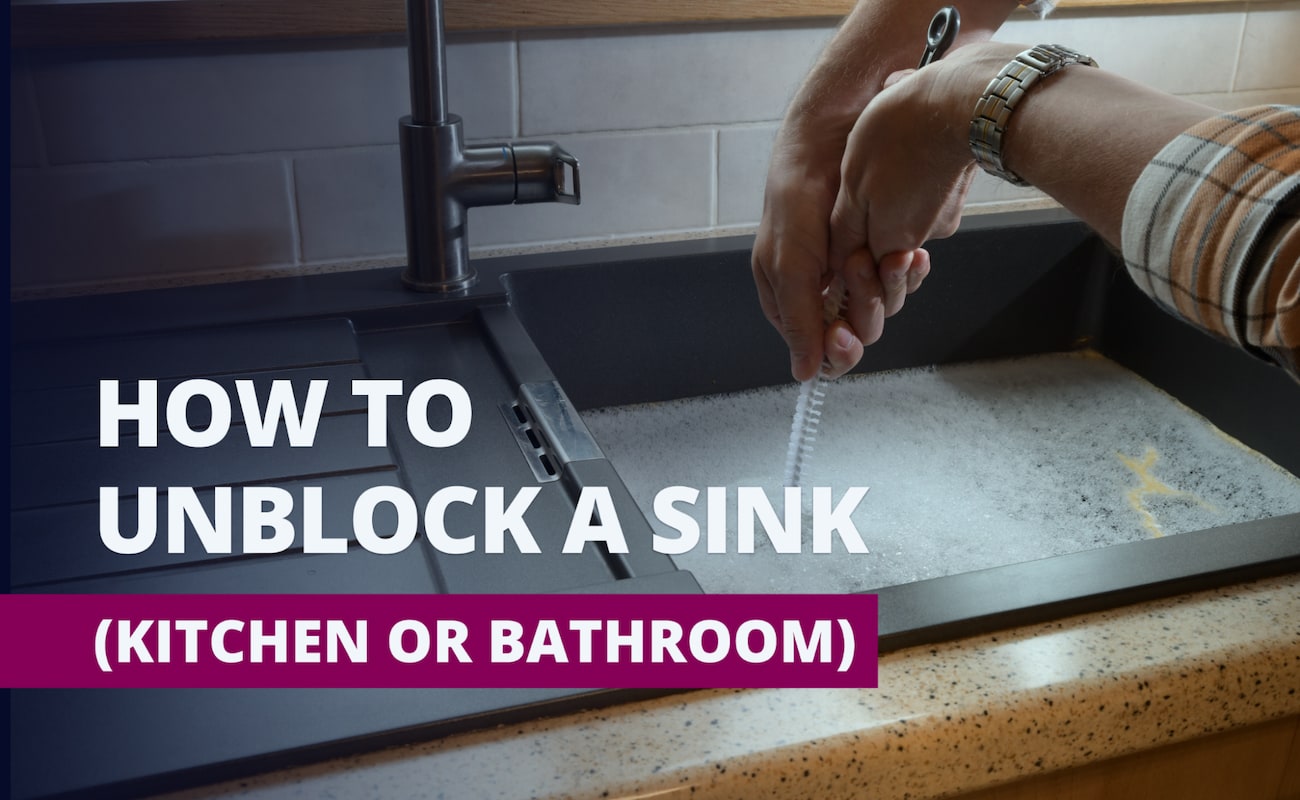
A blocked sink can bring your daily routine to a standstill, whether it's in the kitchen filled with greasy dishwater or in the bathroom struggling to drain after you wash your hands. Slow drainage, standing water, or unpleasant odours are all tell-tale signs of a clog forming somewhere in the pipes.
The good news is that most sink blockages don't require an emergency plumber. With the right tools and a bit of know-how, you can often clear them yourself in just a few minutes.
In this guide, we'll show you how to unblock a sink in the kitchen or bathroom, using simple, effective methods that really work. We'll also share preventative tips to help you stop future clogs before they start.
At a Glance: 10 Ways to Unblock a Sink
- If a disposal unit is attached, rotate it manually and flush with water.
- Pour boiling water to melt grease.
- Use baking soda and vinegar for natural cleaning.
- Mix baking soda and salt for overnight clearing.
- Try salt and boiling water for mild blockages.
- Use a plunger to loosen trapped debris.
- Insert a drain snake or wire hanger for deep clogs.
- Try a wet/dry vacuum to pull out stubborn blockages.
- Use a liquid or gel sink unblocker for extra cleaning power.
- Employ a commercial sink unblocker.
Common Causes of a Blocked Sink
Before choosing the best method to unblock your sink, try to figure out what's causing the blockage. The type of debris in your pipes often determines which approach will work most effectively and whether the problem is in the kitchen or bathroom.
Common reasons your kitchen sink might be blocked include:
- Grease and oil build-up. Fatty substances harden as they cool, sticking to the inner walls of your pipes and trapping food particles.
- Food scraps. Small bits of pasta, rice, coffee grounds, or vegetable peelings can collect in the U-bend and restrict flow.
- Soap residue. Over time, soap scum can combine with grease or minerals in hard water, forming a sticky blockage.
- Blocked disposal units. If you have a waste disposal unit fitted, too many scraps or infrequent flushing with water can cause clogs.
Bathroom sink blockages often happen due to:
- Hair. Strands get caught in the plughole or trap, forming dense clumps that trap soap residue.
- Toothpaste and grooming products. These can dry inside the pipes and harden into a stubborn blockage.
- Small objects. Jewellery, cotton buds, or razor caps can accidentally fall into the drain, causing an instant obstruction.
Knowing the likely cause will help you choose the safest and most effective unblocking method, whether that's using a plunger, baking soda and vinegar, or a drain snake.
10+ Ways To Unblock a Kitchen Sink
Most of these methods can be done with things that you already have around your home. A few may work better than others depending on what is causing the block in your sink, so you may need to try more than one to find the right fix.
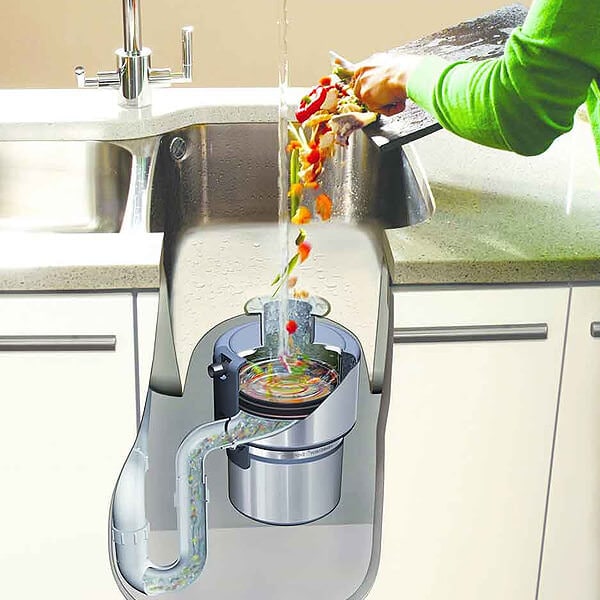
1. Unclog a Kitchen Sink With a Disposal Unit
If your kitchen sink is fitted with a waste disposal unit, start here before trying other methods. Food waste can collect at the bottom of the unit, creating a partial blockage that stops water from draining properly.
Here's how to handle this:
- Turn off the power. Always switch off the disposal at the wall or fuse box before inspecting it.
- Check for obvious blockages. Use a torch to look inside the drain and remove any visible debris with tongs or pliers, never with your hands.
- Manually rotate the blades. Insert the disposal wrench (or a hex key) into the bottom slot and turn it to free any jammed food.
- Flush with cold water. Once clear, turn the power back on and run cold water while operating the disposal for 30 seconds.
Tip: Regularly running your disposal with cold water helps prevent grease build-up and keeps the blades free of residue. If you don't have a disposal unit, move to the next method below. It'll work for most standard kitchen or bathroom sinks.
2. Boiling Water
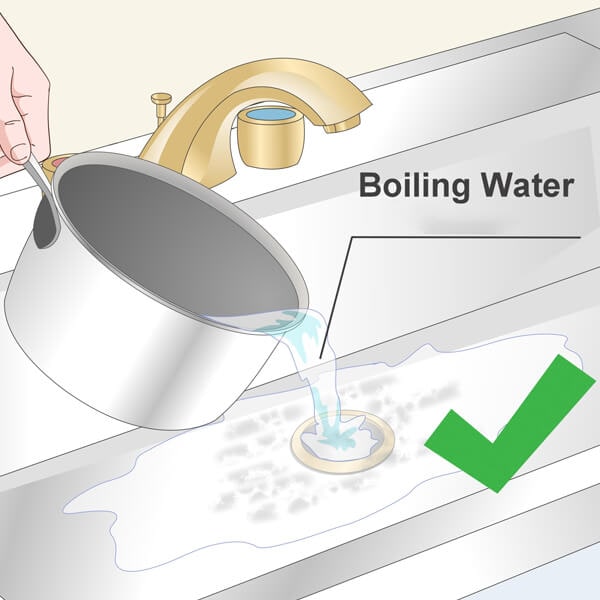
When grease or soap scum is the culprit, boiling water can often do the trick. The heat helps dissolve fatty deposits and loosen grime stuck inside the pipes, an easy first step before trying stronger methods.
Step-by-step:
- Boil a full kettle of water. Make sure it's freshly boiled so it's as hot as possible.
- Pour slowly down the drain. Carefully pour the water in two or three short bursts rather than all at once, allowing it to work through the blockage.
- Wait a minute. Give the heat time to soften or melt any grease build-up.
- Flush with hot tap water. This helps clear away any loosened debris.
When to use this method:
- Ideal for mild blockages caused by oil, soap residue, or leftover food grease.
- Works well in both kitchen and bathroom sinks, especially if you notice slow draining rather than a full clog.
Avoid using boiling water if you have PVC pipes, as extreme heat can cause damage. In that case, stick to warm water and a safe drain cleaner instead.
3. Baking Soda and Vinegar
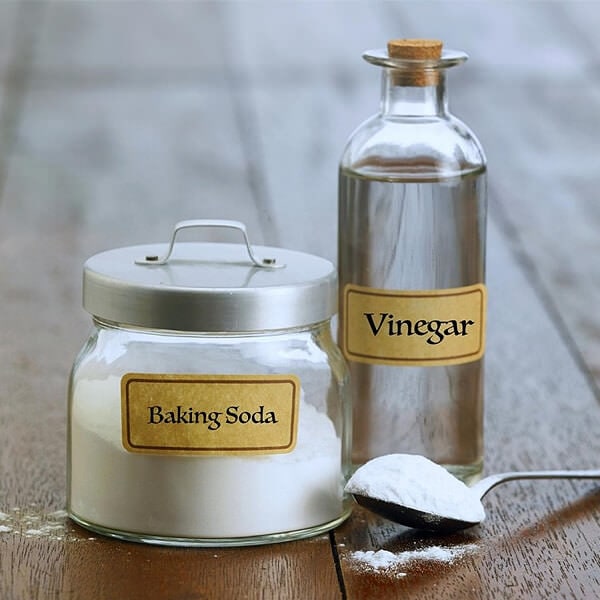
This classic natural remedy is a safe and effective way to tackle most household sink blockages, especially when you're unsure what's causing the clog. The fizzing reaction helps break down grime, grease, and trapped debris without harsh chemicals.
Here's how to use this method:
- Remove any standing water. Scoop or sponge out as much water as possible so the solution can reach the blockage.
- Add baking soda. Pour about one cup (roughly 150 g) of bicarbonate of soda directly into the drain.
- Follow with vinegar. Add one cup of white vinegar (around 250 ml) and immediately cover the plughole with a rubber stopper or damp dishcloth.
- Let it fizz. Wait about 10-15 minutes while the mixture works its way through the pipes.
- Flush with hot water. Run the tap for 30 seconds to clear away loosened residue.
4. Baking Soda and Salt
If your sink is draining slowly but not completely blocked, baking soda and salt can work wonders.
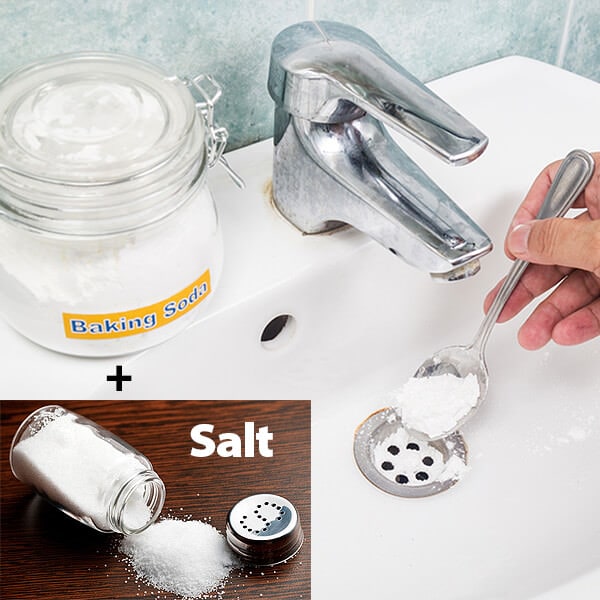
The abrasiveness of salt helps scrub away grime while the baking soda neutralises odours and reacts mildly with moisture to loosen debris. It's safe for both kitchen and bathroom sinks, especially if you're avoiding harsh drain chemicals.
This gentle, chemical-free combination helps break down grime and deodorises your pipes at the same time, ideal if you prefer an overnight fix:
- Remove any standing water. Clear the sink so the mixture can reach the blockage.
- Prepare the mix. Combine one cup (about 150 g) of bicarbonate of soda with one cup (about 150 g) of table salt.
- Pour into the drain. Use a funnel or jug to get the mixture directly down the plughole.
- Let it sit. Leave it for at least two to three hours (overnight if possible) to allow the reaction to soften the blockage.
- Flush with hot water. Rinse thoroughly with a kettle of boiling or very hot water to clear away the residue.
5. Salt and Boiling Water
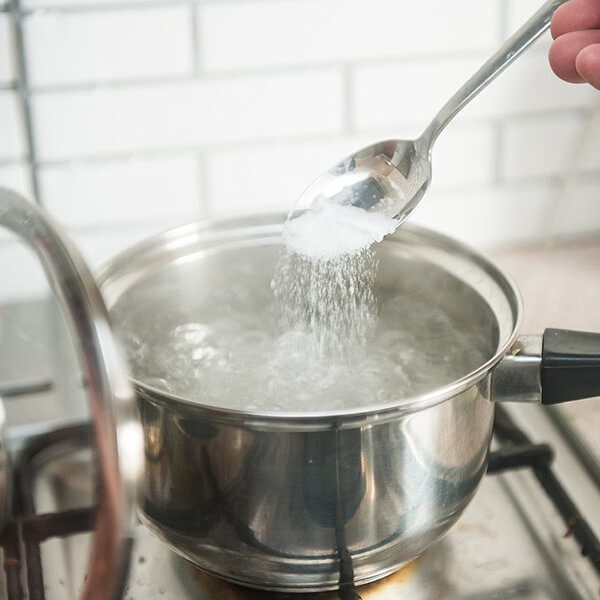
This quick fix is especially handy after cooking. It keeps your pipes clear and odour-free with minimal effort. When grease is the main suspect, a simple mix of salt and boiling water can clear the blockage without expensive chemicals. The salt acts as a mild abrasive, while the heat from the water melts away congealed fats and oils inside the pipe.
Here's how to do it:
- Remove any standing water. Make sure the sink is empty so the solution can reach the clog.
- Add salt. Pour about half a cup (roughly 75 g) of table salt directly into the plughole.
- Pour in boiling water. Immediately follow with a freshly boiled kettle of water.
- Wait a few minutes. Let the heat and salt work together to break down the grease.
- Flush with hot tap water. Run the tap for 30 seconds to wash away loosened residue.
Best for: Kitchen sinks affected by grease, fat, or oil build-up, and metal or ceramic sinks (avoid using this method on PVC pipes if you regularly use very hot water).
6. Plunger
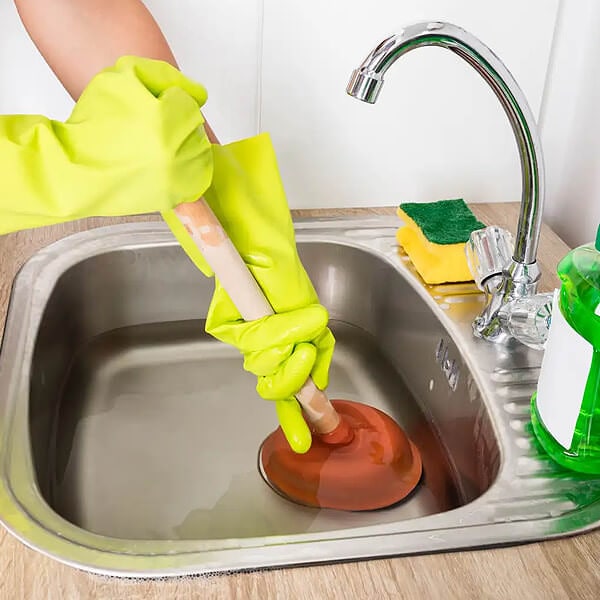
A plunger isn't just for toilets. It's one of the quickest and most reliable tools for unblocking sinks, too. It works by creating suction that loosens and pulls out trapped debris, restoring normal drainage:
- Add a little water. If the sink is empty, fill it with a few centimetres of warm water to help create an airtight seal.
- Position the plunger. Place it directly over the plughole, ensuring the rubber cup covers it completely.
- Seal other outlets. If you have an overflow hole, block it with a damp cloth to maintain suction.
- Plunge firmly. Push down and pull up sharply about 10-15 times. You should feel resistance as the pressure builds.
- Check the results. Once you hear a gurgle or see the water draining, the blockage has likely cleared.
- Flush with hot water. Run the tap for a minute to rinse any remaining debris.
Tip: If you're dealing with a double-bowl kitchen sink, block the second drain before plunging to maximise suction. For bathroom sinks, a smaller sink plunger is often more effective and easier to control.

7. Pipe Snake
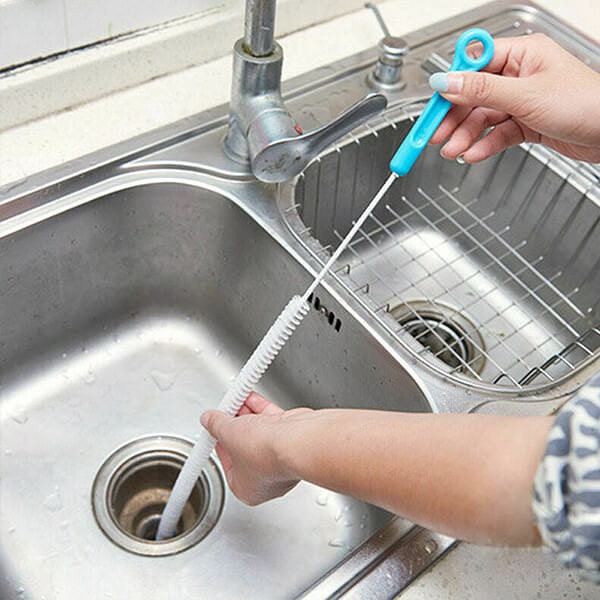
When plungers, salt, or baking soda don't do the trick, it's time for a more hands-on solution. A pipe snake, also called a drain auger, can reach deep into the pipe to break up or pull out tough clogs that other methods can't touch:
- Choose your tool. Drain snakes come in flexible plastic versions for minor blockages or metal cable types for deeper, more stubborn clogs.
- Insert the snake into the drain. Gently feed it down the plughole until you feel resistance.
- Work the clog loose. Rotate or move the snake up and down to dislodge or grab the blockage.
- Withdraw the cable carefully. Pull it back out and dispose of any debris caught on the end.
- Flush with hot water. Run hot tap water for at least a minute to clear any remaining residue.
Tip: For hair-heavy clogs in bathroom sinks, a small plastic drain snake is ideal. It grips hair without scratching the pipe. For deeper or recurring blockages in kitchen sinks, a metal auger provides more reach and durability. Check QS Supplies' range of plumbing tools and waste cleaners to find suitable drain snakes and other unblocking essentials.
8. Use a Wire Hanger for Shallow Hair Clogs
If you don't have a drain snake, a simple wire coat hanger can work surprisingly well, especially for bathroom sinks where hair is the main issue:
- Straighten the hanger. Leave a small hook at one end.
- Insert the hooked end. Gently feed it into the drain and twist to catch hair or debris.
- Pull out the blockage. Dispose of the material and repeat if needed.
- Flush with hot water. Finish by running the tap for a minute to rinse clear.
Tip: Wrap the hook in electrical tape to prevent scratching the sink or metal fittings.
9. Try a Wet/Dry Vacuum for Deep Blockages
If you have access to a wet/dry (shop) vacuum, it can be a powerful way to pull out stubborn clogs without chemicals. Here's how to use it:
- Set to liquid mode. Ensure the vacuum is suitable for wet use.
- Create a tight seal. Place the hose directly over the drain and seal the edges with a damp cloth.
- Switch it on. Run the vacuum for 10-15 seconds to remove out the clog.
- Check progress. If the water drains freely, flush with hot water.
Safety note: Avoid using a household upright vacuum. Only a proper wet/dry model is safe for this job.
10. Using a Sink Unblocker
When home remedies like baking soda or plunging don't shift the blockage, a liquid or gel sink unblocker can offer extra cleaning power. Modern formulas are designed to dissolve grease, soap residue, and hair without damaging your pipes or sink finish.
Here's how to use a drain unblocker safely:
- Read the label first. Always check that the product is suitable for your sink material (ceramic, stainless steel, or composite).
- Pour slowly into the drain. Use the recommended amount and avoid splashing on surrounding surfaces.
- Leave to work. Most formulas need 15-30 minutes to break down the blockage.
- Flush thoroughly. Rinse with plenty of hot water to clear residue.
Follow these important safety tips:
- Never mix chemical cleaners with natural methods such as baking soda and vinegar, or even with bleach. It can cause harmful reactions.
- Wear rubber gloves and keep the area ventilated.
- Store drain cleaners out of children's reach.
For routine upkeep, choose an eco-friendly or enzyme-based unblocker that's safe for regular use.
How To Unblock a Bathroom Sink
Bathroom sinks often face different types of blockages than kitchen sinks. Instead of food or grease, the culprits are usually hair, soap residue, and toothpaste build-up that collect over time just beneath the plughole.
Fortunately, the same DIY methods that work for kitchens are equally effective here, with a few extra tips to suit bathroom fixtures:
- Remove the plug. Lift out or unscrew the plug to check for visible hair or debris. Clean it thoroughly before replacing.
- Try boiling water. Pour freshly boiled water down the drain to soften soap scum and clear residue.
- Use baking soda and vinegar. Add one cup of bicarbonate of soda crystals followed by one cup of vinegar, cover the drain, and let it fizz for 10-15 minutes.
- Flush with hot water. Rinse well to wash away loosened grime.
- Clean the trap if necessary. If water still drains slowly, place a bowl under the bottle trap (the curved pipe beneath the sink), unscrew it carefully, and empty out any trapped hair or debris before reattaching it.
Prevention tip: To reduce the chance of future clogs, fit a sink strainer or waste cover to catch hair before it enters the drain. You can explore bottle traps, basins, and bathroom fittings available at QS Supplies to keep your sink performing like new.
How To Keep Your Sink Flowing Freely
The best way to deal with blocked sinks is to prevent them from happening in the first place. Many of the methods above can also serve as regular maintenance, helping you keep your pipes clear and your home running smoothly.
- Use a strainer or drain guard to catch food scraps, hair, and other debris before they enter the pipe.
- Avoid pouring grease or oil down the sink. Allow it to cool and dispose of it in the bin instead.
- Flush weekly with hot water or a mild mix of baking soda and vinegar to keep residue from building up.
- Run your disposal with cold water for 30 seconds after each use to prevent grease from sticking.
- Clean the trap periodically (the U-bend or bottle trap under the sink) to remove accumulated debris.
Regular maintenance keeps both kitchen and bathroom sinks draining efficiently, saving you the hassle of future blockages.
Watch: How To Unclog Your Sink
Prefer to see the process in action? Watch this short 4-minute video by Pan The Organizer, which demonstrates a few of the most effective DIY sink-unblocking methods.
Disclaimer: These techniques can be tried carefully at your own risk. While they're effective for most household sinks, results will vary depending on the severity and location of the blockage. If the clog persists or you're unsure about handling it yourself, it's best to contact a professional plumber for advice or assistance.
[Keep existing video]
Restore a Clear, Free-Flowing Sink with QS Supplies
A clear, free-flowing sink helps keep your entire kitchen or bathroom running smoothly. With a few simple tools and techniques, you can often fix minor blockages yourself and prevent future clogs.
For quality sinks, kitchen taps, baths, showers, and plumbing essentials, explore the full range available at QS Supplies, and keep your home in perfect working order.
Frequently Asked Questions (FAQs)
Even after following these steps, you might still have a few questions about how to handle persistent clogs or prevent them from coming back. The FAQs below address some of the most common concerns homeowners have when unblocking kitchen or bathroom sinks
- How do you unblock a badly blocked sink?
- What do you pour down a sink to unclog it?
- How do I unblock my sink without a plunger?
- What will dissolve hair in a clogged drain?
- How can I prevent my sink from getting blocked again?
- What if all methods fail?