
 0
0 Clearance Sale
  Brands


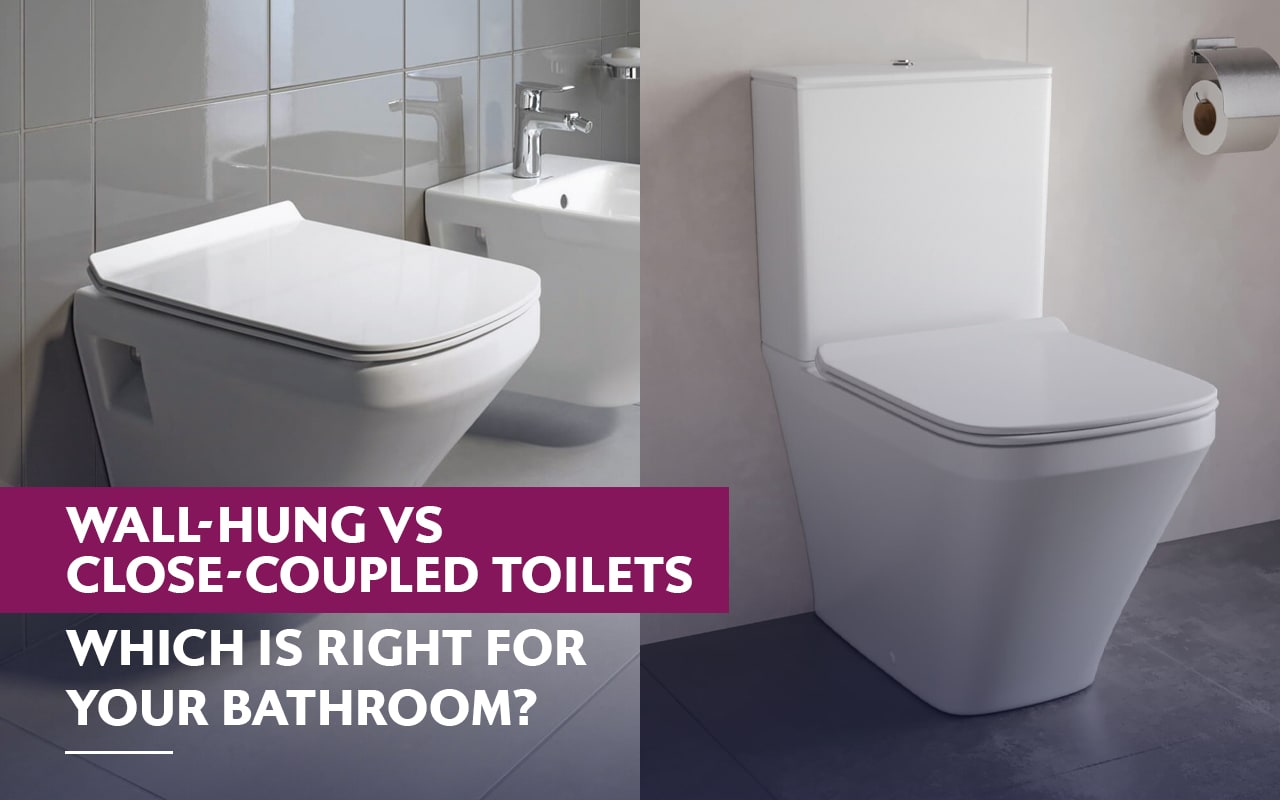
While designing a modern bathroom, it is customary to compare close-coupled toilets against back-to-wall options to determine what type of toilet is most suitable. The decision is not merely aesthetic; it has consequences for design and budget.
A close-coupled is a traditional design where the cistern is attached close to the pan, so it is inexpensive and easy to set up. A back-to-wall, on the other hand, hides the cistern in a piece of furniture or in a wall, providing a neater, more streamlined appearance.
If you're looking for something even more stylish, wall-hung toilets are a good alternative. Installed above the floor, they provide a minimalist finish and are easy to clean.
With so many varieties of toilets and so many different styles out there, it's a good idea to take a look at pros and cons prior to reaching a decision. At QS Supplies, you'll find specialized buying guides, comparisons, and practical advice to help you find the right type of toilet for your space.
| Wall-Hung vs. Close-Coupled Toilets at a Glance | ||
|---|---|---|
Feature |
Wall-hung toilet |
Close-coupled toilet |
Installation |
Requires a concealed cistern and sturdy wall frame |
Easiest to install, often DIY-friendly |
Design |
Floating look with visible flush plate only |
Traditional unit with cistern attached to the pan |
Space |
Maximizes floor space; ideal for compact bathrooms |
Takes up more space due to floor-mounted design |
Cleaning |
Easy to clean underneath, no floor contact |
Harder to clean around the base |
Maintenance |
Cistern hidden with access via panel; repairs can be more complex |
Full access to cistern, simple to service |
Cost |
Higher cost due to installation and concealed frame |
Most affordable option overall |
Style suitability |
Modern, minimalist bathrooms |
Traditional and budget-conscious renovations |
Durability |
Strong wall frame needed for support |
Reliable, time-tested structure |
Custom features |
Often includes rimless pan and soft-close toilet seat |
Available with comfort height and dual flush options |
What Is a Wall-Hung Toilet?
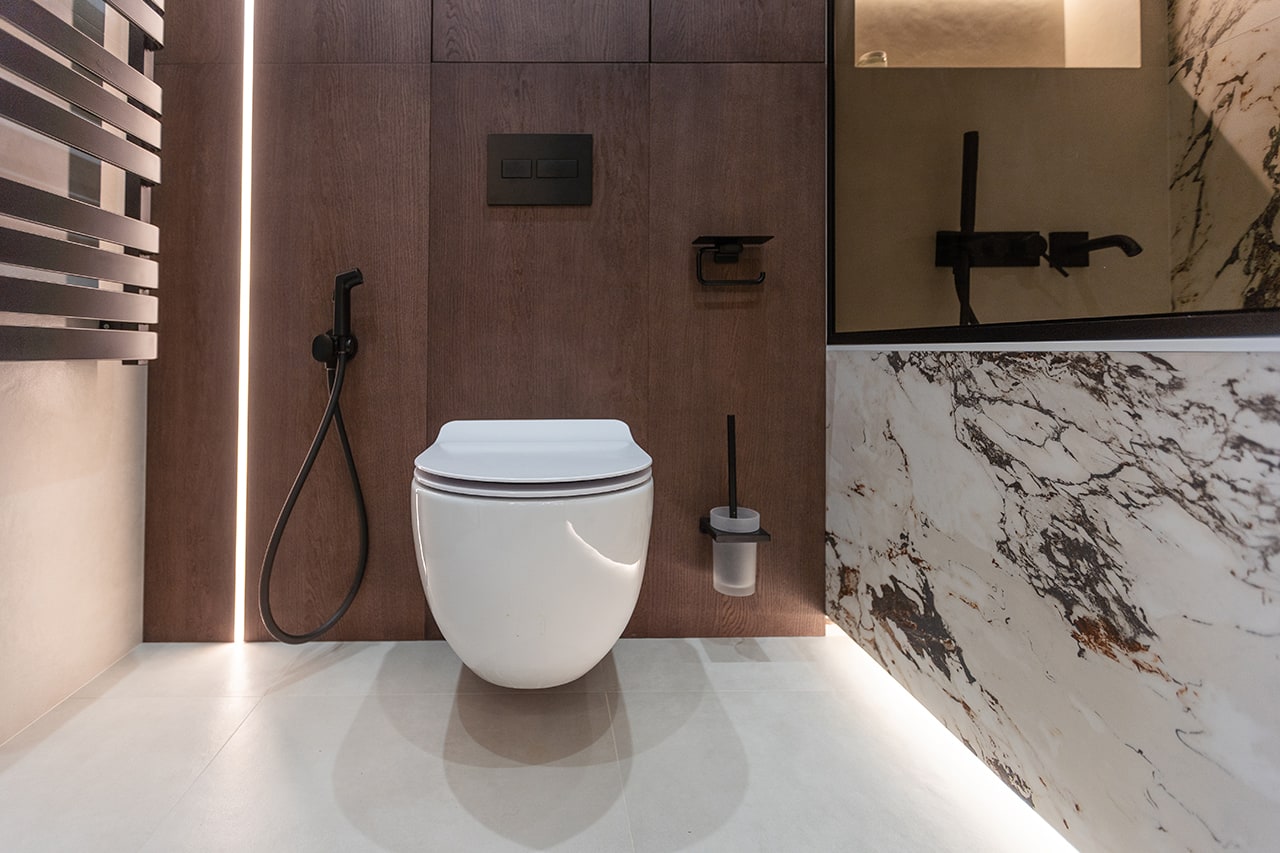
Wall-hung toilets are fitted to the wall with the pan above the floor. The toilet is supported by a robust frame that also contains the concealed cistern function. Instead of a traditional cistern, you only see a minimalist and modern flush plate.
For homeowners who appreciate design and ease in maintenance, wall-hung toilets are a strong choice. However, they come with a higher budget and require more planning. Take a look at a few points of pros and cons below.
Advantages of Wall-Hung Toilets
Wall-mounted toilets have a lot of functional and aesthetic benefits. This explains why most modern bathroom designs have this kind of configuration. The advantages of wall-hung toilets include:
- Space-saving design. With the toilet cistern concealed in the wall, the toilet projects neatly and frees up floor space, making it ideal for compact bathrooms.
- Streamlined looks. The streamlined, minimalistic appearance projects a modernist look that is suitable for most interior decor.
- Easier to clean. The raised pan makes it easy to get underneath, keeping things cleaner and with less effort.
Disadvantages of Wall-Hung Toilets
Despite their appeal, wall-hung toilets have their drawbacks, which include:
- High installation cost. Wall-hung toilets have more components like the concealed cistern, wall frame, and fittings, which make them more expensive than traditional toilets.
- Structural demands. Wall-hung toilets require a strong supporting wall for secure fastenings.
- Hard to maintain. While they're normally durable, accessing the secret cistern to make adjustments or repairs is more difficult than in traditional toilets.
What Is a Close-Coupled Toilet?
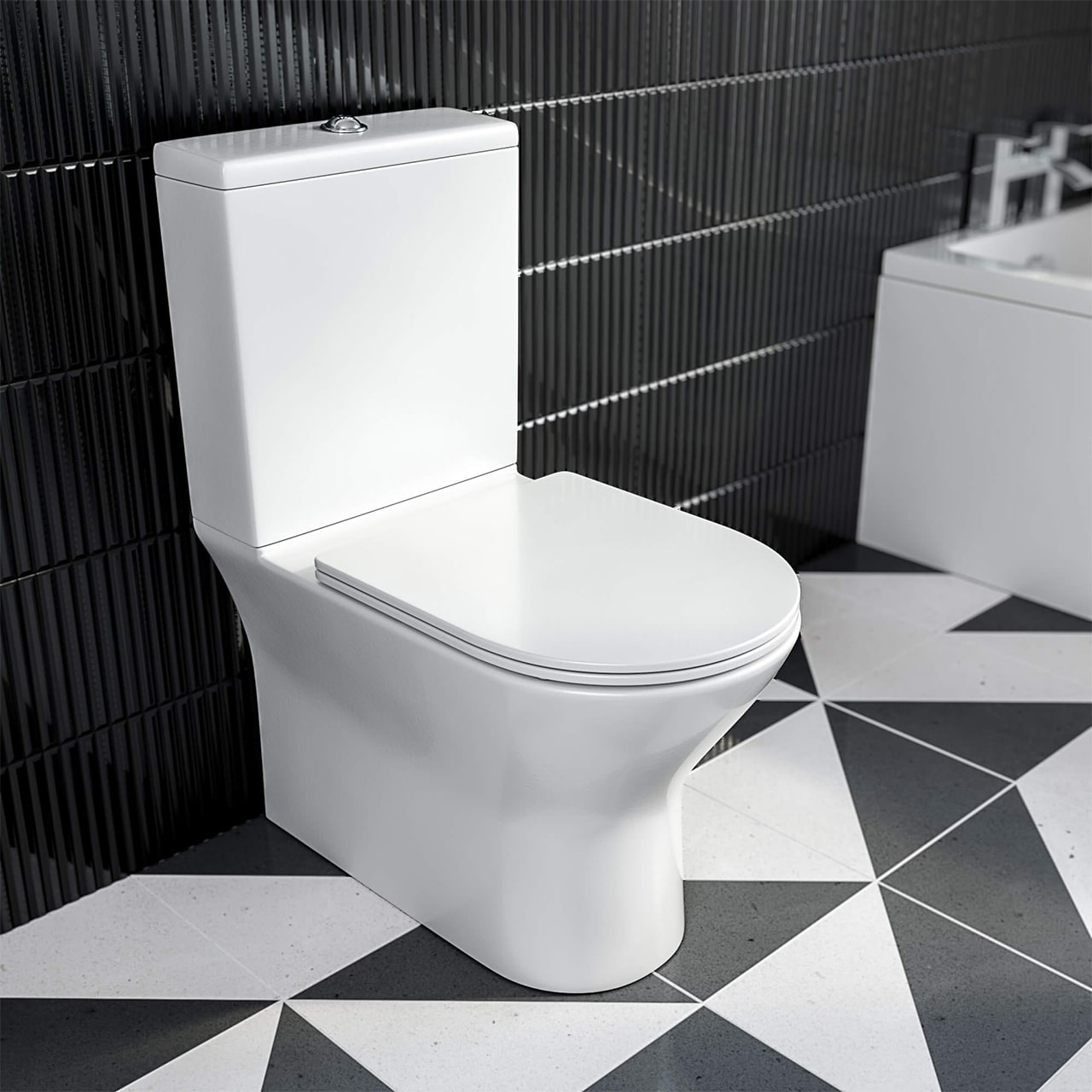
A close-coupled toilet is among the most popular and traditional toilets in UK homes. These types of toilets feature a cistern that's directly connected to the toilet pan, resulting in a compact unit. Before choosing this option, consider the following advantages and disadvantages:
Advantages of Close-Coupled Toilets
Close-coupled toilets are a functional and budget-friendly option that can be installed in different bathroom designs. Advantages of close-coupled toilets include:
- Affordable pricing. These toilets are typically the most cost-effective choice, making them ideal for budget-conscious households.
- Widespread availability. Being one of the most popular time-tested toilet options, there are different closed-coupled toilet models available to suit different bathroom styles.
- Quick installation. Close-coupled toilets are easy to handle and install. Homeowners can quickly install closed-coupled toilets as a DIY project.
- Familiar design. The tested design paired with reliable performance makes them a popular choice for many homeowners.
Disadvantages of Close-Coupled Toilets
While not always a stylistic choice, close-coupled toilets have several disadvantages:
- Limited layout flexibility. Close-coupled toilets require larger floor area compared to wall-hung units.
- Visible pipes. Exposed flush pipes and plumbing could provide a less modern appearance.
- Not ideal for small rooms. Their larger design makes them unsuitable for smaller spaces.
What Is a Back-to-Wall Toilet?
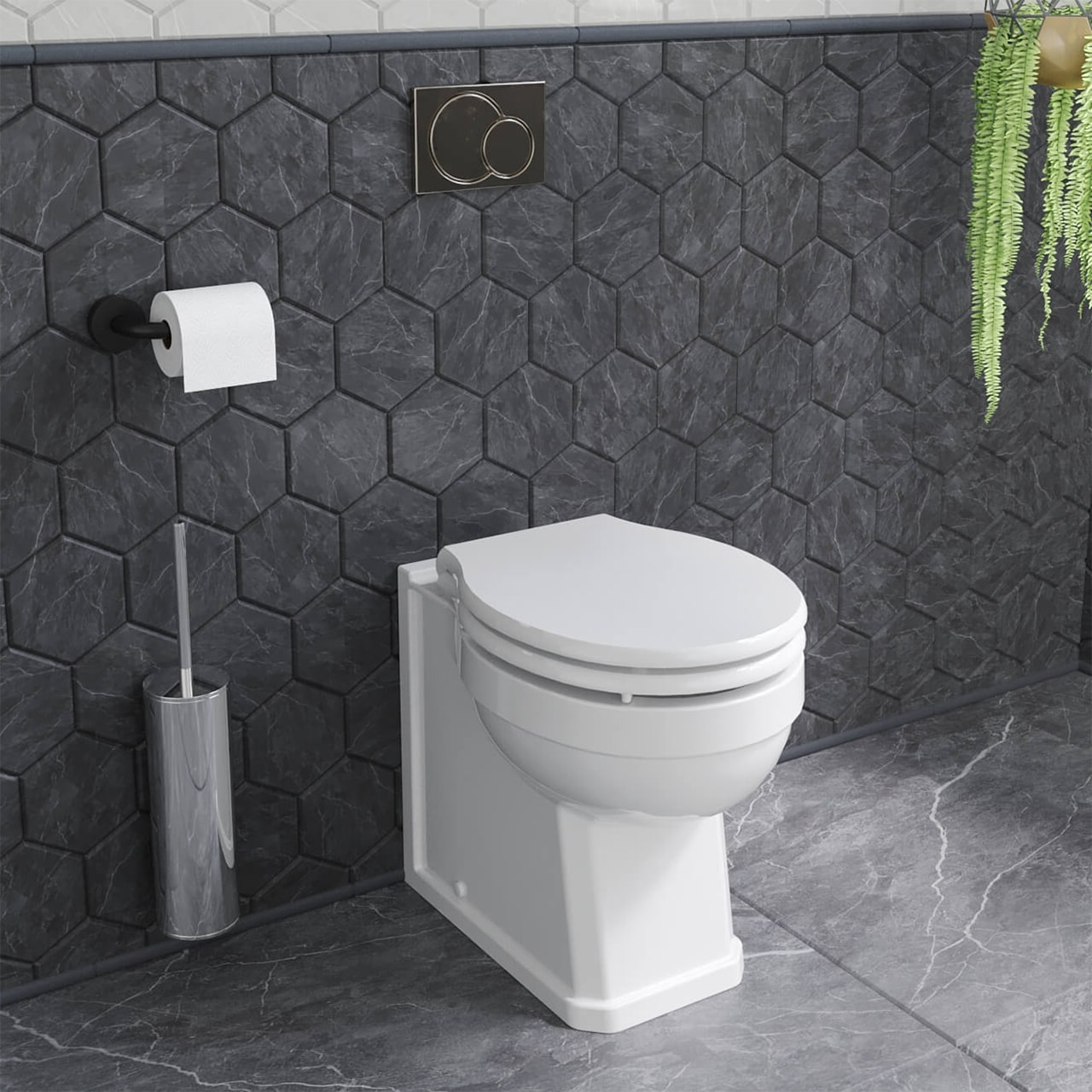
A back-to-wall toilet is a popular design where the toilet pan is located against a wall or in a piece of furniture, and the cistern is out of view. The concealed cistern function minimises space usage in exchange for a minimalist design suitable for interior space layouts.
Read on to discover Back-to-wall toilets have their advantages and disadvantages.
Advantages of Back-to-Wall Toilets
Back-to-wall toilets offer a modern look that fits small and stylish bathrooms. Advantages of back-to-wall toilets include:
- Clutter-free appearance. With its cistern concealed in a furniture unit or wall, a back-to-wall toilet achieves a fresh, minimalist aesthetic that improves the bathroom's appearance.
- Space efficiency. The toilet's space-efficient design makes it a good fit for smaller bathrooms or cloakrooms.
- Easy cleaning. Fewer exposed surfaces around the base make it simpler to clean, helping maintain a fresher and more hygienic environment.
Disadvantages of Back-to-Wall Toilets
Though aesthetically pleasing, back-to-wall toilets have a few disadvantages:
- High installation cost. These toilets generally need specialist plumbing work, which increases labour costs as well as installation time.
- Difficult to maintain. When you need to repair or make adjustments to the concealed cistern, it may be harder to access it.
- Need long-term planning. Homeowners must consider installation logistics and be prepared for indirect costs in case of a malfunction.
Key Differences Between Toilet Types
When deciding between a close-coupled, back-to-wall, or even a wall-hung toilet, you should consider their similarities and differences. Each type of toilet not only influences how your bathroom will look, but also how it's installed, how expensive it is, and its eventual maintenance over time.
The table below provides a quick summary of different toilet types and their unique advantages to guide your renovation journey.
Feature |
Close-coupled toilet |
Back-to-wall toilet |
Wall-hung toilet |
|---|---|---|---|
Installation |
Easiest to install; can be DIY-friendly |
Requires concealed cistern and frame |
Requires concealed cistern and wall frame |
Space and design |
Takes more floor space, but familiar |
Compact design, minimalist look |
Maximises floor space, very modern |
Cost and maintenance |
Cheapest, simple to repair |
Higher cost, repairs harder due to concealed cistern |
Most expensive, complex maintenance |
Installation
For ease of installation, a close-coupled toilet is more straightforward. Since the cistern is built directly onto the pan, installing the toilet is typically simple, and involves fastening the waste pipe and soil pipe. Because of this, it is popular among DIYers or households who prefer an inexpensive solution during bathroom renovation.
In comparison, back-to-wall and wall-hung toilets require concealed cisterns and strong frames, which are costly. Homeowners may also need to hire plumbers to install, increasing their costs further. Nevertheless, wall-hung toilets can be a good choice for homeowners who are planning to install different types of toilets in their building.
Space and Design
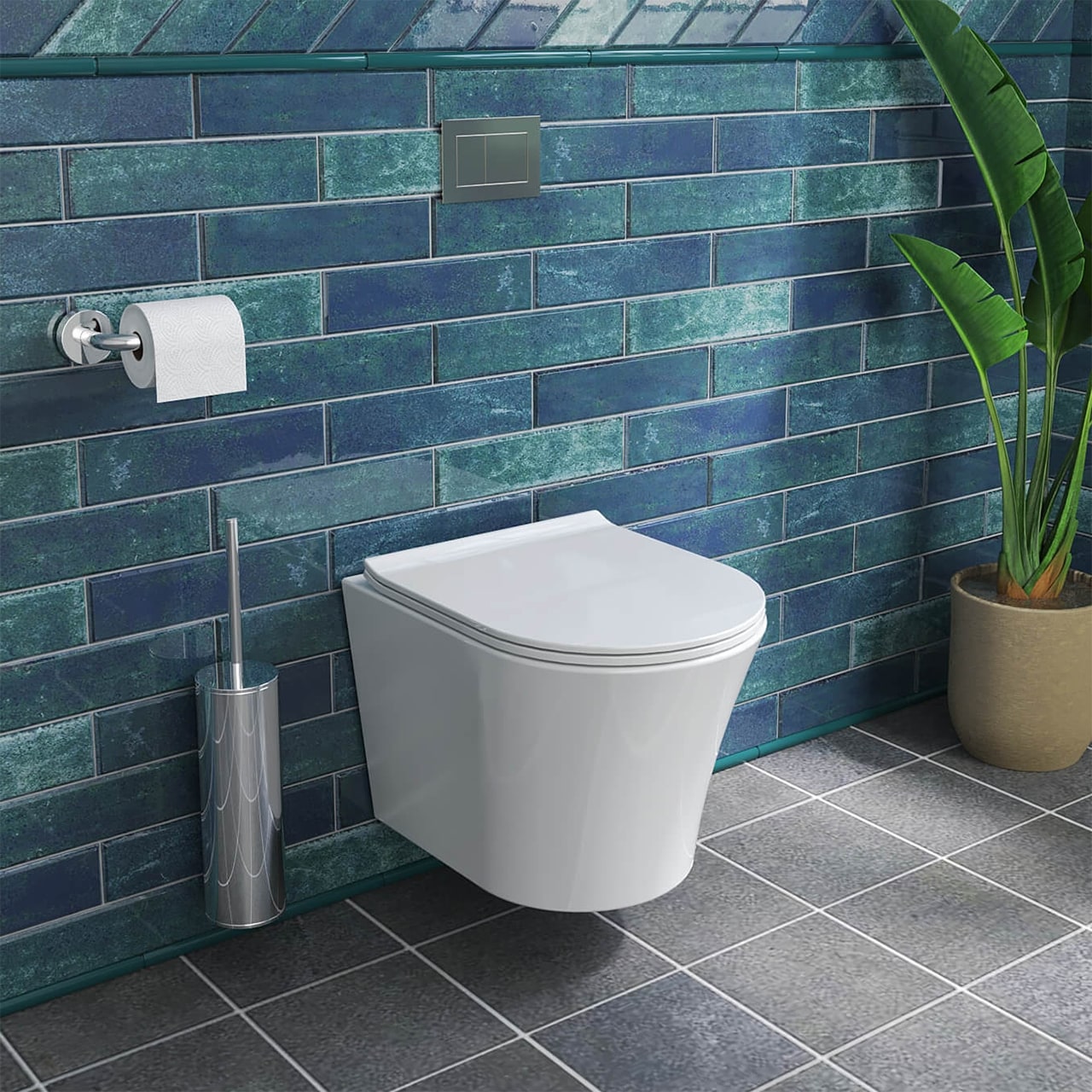
Wall-mounted toilets are more suitable for those with small bathrooms. Since they're suspended off the ground, they can make a space appear larger than it really is.
A back-to-wall toilet is a space-saving design too and is appropriate, along with a cloakroom or en-suites, where a sleek, bathroom design finish is needed. While some people prefer a contemporary appearance in a bathroom such as that offered by wall-hung toilets, there are others who appreciate a discreet, minimalist appearance such as a back-to-wall toilet.
Close-coupled toilets, on the other hand, require a bigger floor space. Nevertheless, they are still a popular choice for many due to the old-fashioned and traditional design.
Cost and Maintenance
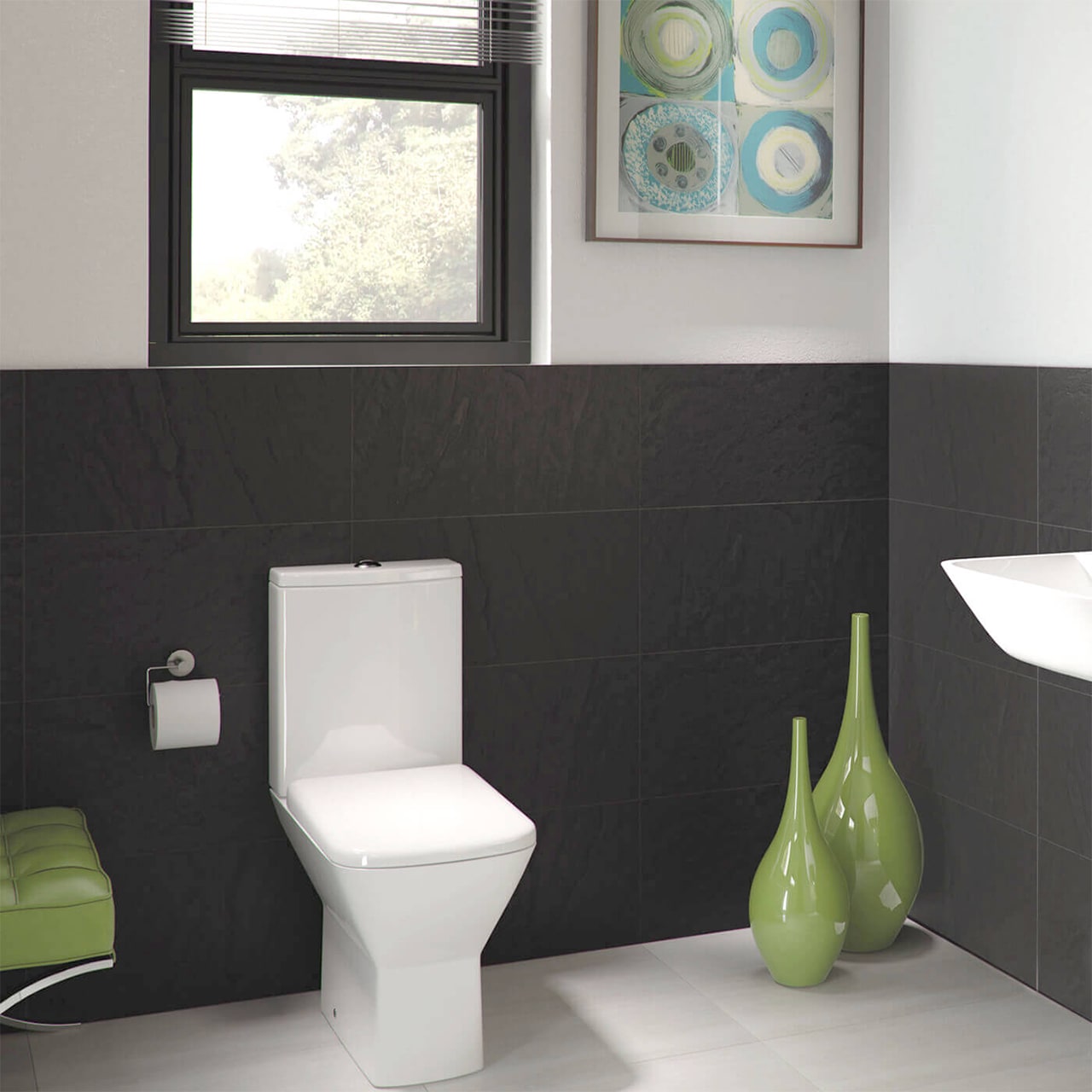
A close-coupled toilet is the cheapest to buy and repair. Since it's floor-mounted, it's easily accessible, allowing plumbers to resolve any issues with the cistern or P-trap faster.
Back-to-wall and wall-hung toilets, on the other hand, are more expensive. Due to the hidden fittings, servicing and maintenance are also more complex, and may require one to move secret panels or pieces of furniture to access desired areas.
Features To Consider When Choosing a Toilet
When you're selecting a new toilet, consider how the in-built features can improve hygiene and efficiency. Some of the things you might want to factor in while comparing different types of toilets include:
- Soft-close seat. Integrated in different types of toilets, a soft-close seat helps prevent slamming.
- A rimless toilet design. This feature is common in back-to-wall and wall-hung models. It makes it easier to clean these toilets and thus improve overall hygiene.
- A dual flush mechanism. This is a standard feature in most new toilets. It helps homeowners with water saving by allowing them to use either a smaller or larger flush option depending on their needs.
- Comfort height toilets. This feature is associated more with close-coupled toilets. However, it's increasingly been integrated in modern designs to improve accessibility.
- Bidet compatibility. This feature is regarded as an upgrade and is more compatible with back-to-wall and wall-hung toilets.
Feature |
Close-coupled toilet |
Back-to-wall toilet |
Wall-hung toilet |
|---|---|---|---|
Soft-close seat |
|||
Rimless toilet |
|||
Dual flush |
|||
Comfort height toilets |
|||
Bidet compatibility |
Choosing the Right Toilet for Your Home
If you're looking for a toilet to install, consider your budget, bathroom size, and desired style. While back-to-wall, closed-coupled, and wall-hung toilets are good options, they have their own benefits and drawbacks.
- Close-coupled toilets. Choose close-coupled if you want an affordable, familiar design, and easy to install toilet option.
- Back-to-wall toilets. If you have a small bathroom, a back-to-wall toilet design may be the right choice. Their concealed cistern function gives them a minimalistic design and can help save space.
- Wall-hung toilets. If you're looking for a modern bathroom design, then a wall-hung toilet is the right choice. Since they are hung on a wall, slightly above the ground, they free up floor space, making them perfect for small rooms. However, wall-hung toilets require a sturdier installation and come with a higher budget.
Apart from the toilet type, consider features like soft-close seats and dual flush systems. Such additional components can improve hygiene and assist with water saving.
With a wide range of styles available on QS Supplies, from traditional toilets to premium brands like RAK Toilets, it's easy to find the right toilet for your bathroom. For more advice, comparisons, and buying guides, explore the full collection at QS Supplies.