
 0
0 Clearance Sale
  Brands


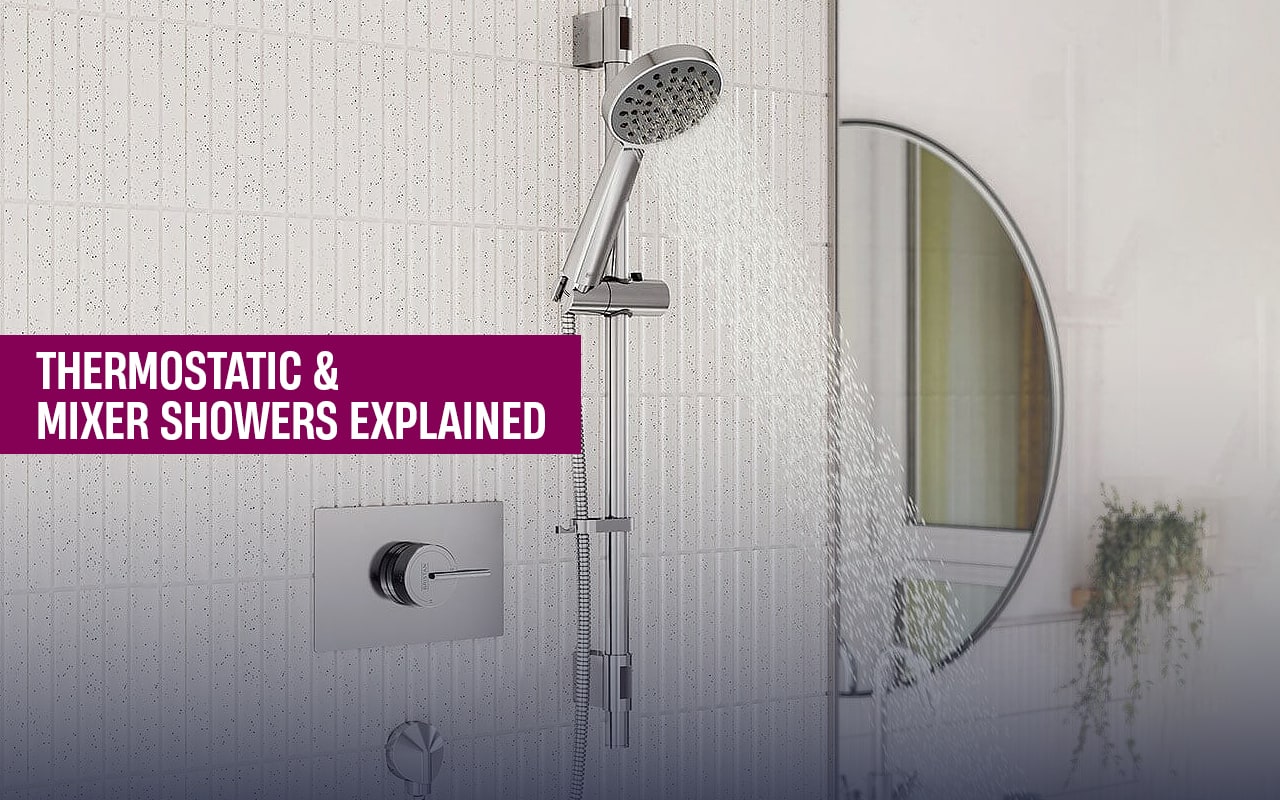
A thermostatic shower automatically maintains a steady, pre-set water temperature, even if someone uses another tap or flushes a toilet. It works by mixing hot and cold water through a thermostatic valve that instantly adjusts to pressure or temperature changes, preventing sudden bursts of hot or cold water.
Unlike electric showers that heat water internally, thermostatic showers use your home's existing hot and cold supply. If either supply fails, the valve quickly shuts off to prevent scalding, making it a safe and reliable choice for families.
Known for consistent comfort, energy efficiency, and long-term value, thermostatic showers are a popular upgrade for modern bathrooms. This guide explains how they work, how they differ from mixer, electric, power, and digital showers, and how to decide which type best suits your home.
The Basics of a Thermostatic Shower
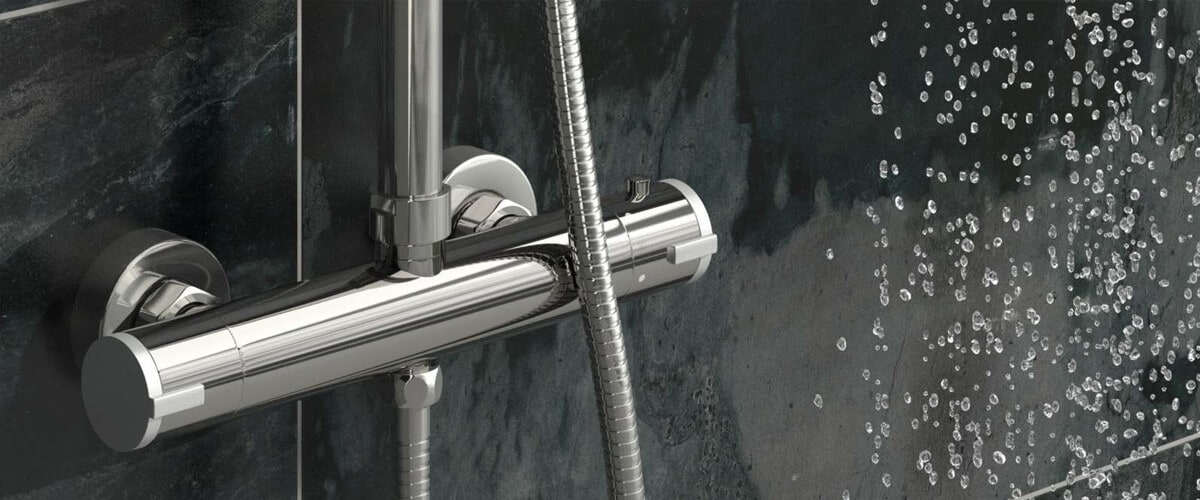
So, how does a thermostatic shower work?
A thermostatic shower uses a built-in valve to keep water at your chosen temperature and automatically adjusts if the hot or cold water pressure changes. If the supply stops completely, the valve shuts off to prevent scalding or sudden bursts of cold water.
Unlike electric showers that heat water on demand, thermostatic models draw from your home's existing hot and cold water supplies. This allows for smoother temperature control and a more consistent flow throughout your shower.
Because of their balance of safety, comfort, and efficiency, thermostatic showers are a practical long-term choice for many households, especially those with children or older family members. Their precise temperature regulation makes them a reliable and convenient option for modern bathrooms.
Digitally or Manually Controlled Thermostatic Showers Explained
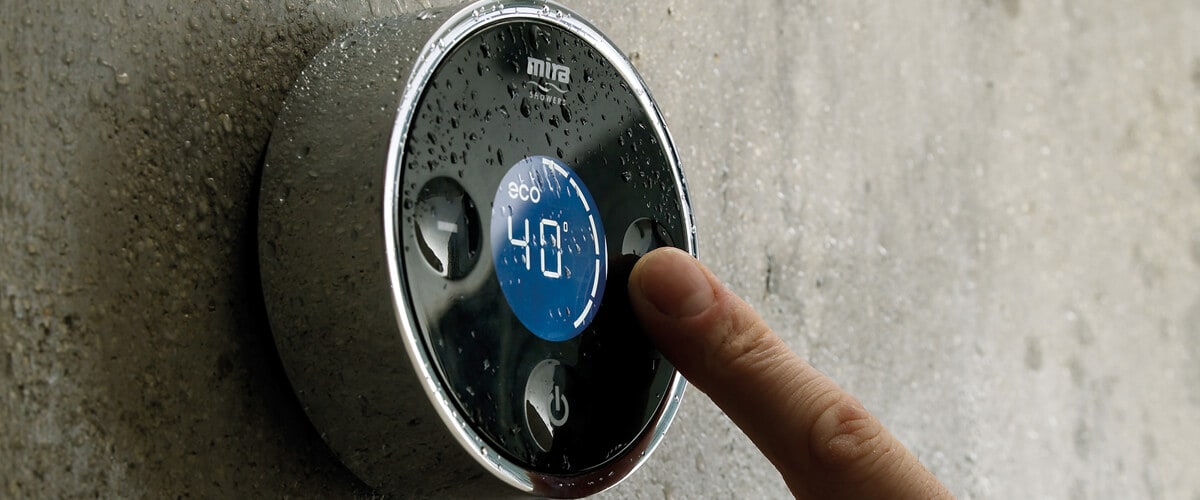
Digital controls significantly add to the convenience of thermostatic showers. In terms of design and aesthetics, these are available in numerous options. How you customise your enclosure with the available accessories is up to you. You can select a classic or modern design and finish. To top it all, the manufacturers also instill a few unique additional features in their showers.
Digital showers mix hot and cold water from the mains, giving you greater control over the water temperature. A downside is that if your boiler breaks down, you will not be able to enjoy any hot water.
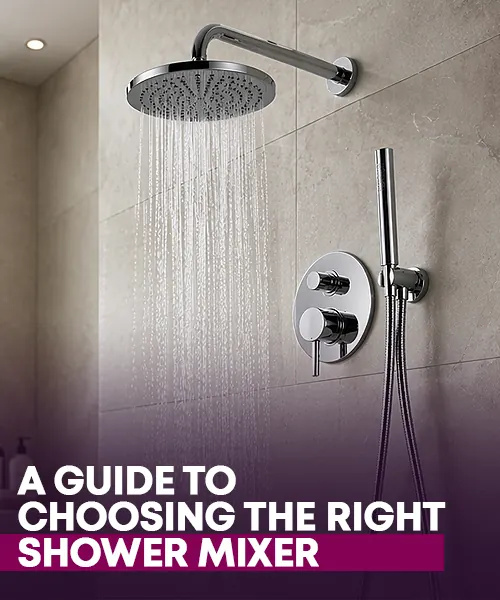
It's important to note that in Thermostatic Mixer Showers, you can control the volume for each separate outlet with its valve, while the thermostatic valve controls the desired temperature overall. Unlike budget options, these do not come cheaply. However, if you can afford it and like the idea of a little luxury in the bathroom, these showers provide a relaxing experience.
Overall, if the water pressure in your home is adequate, then showers, which run on electricity, can be the best choice as they may be more budget-friendly and eco-friendly. In fact, recent studies show that high water pressure leads to shorter showers, ultimately resulting in more money saved per shower.
However, if you are remodelling the bathroom and want more luxury, thermostatic varieties can provide a tremendous at-home spa-like experience. Simply, consider your requirements and splurge on an exotic shower, which is also safe!
Can Thermostatic Showers Be Easily Maintained?
Replacing, adjusting, and calibrating concealed shower valves, such as the specialised cartridge valve that controls and shuts off the flow of hot and cold water, is all relatively easy to do by oneself.
However, thorough research is recommended as certain parts and valves may not be replaceable if damaged. If you are unsure, it's generally best to call in a professional and avoid DIY installation.
What are Mixer Showers?
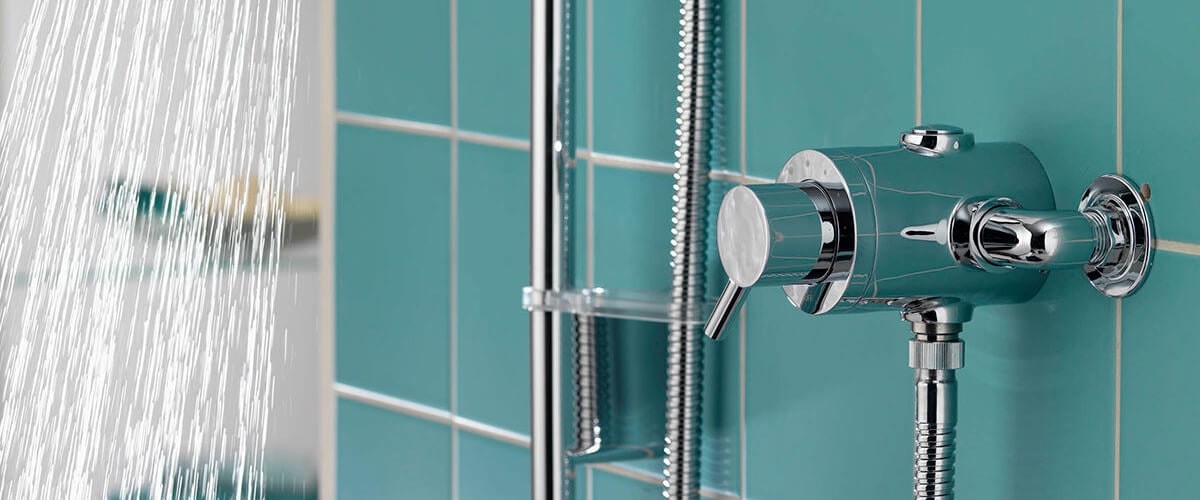
A mixer shower will mix hot and cold water inside the shower fitting itself before the water comes from the shower head. This means that the shower itself does not heat the water, unlike some models, but rather that it uses the hot water already available through your home's plumbing system.
What are the Advantages of a Mixer Shower?
For many homeowners, a mixer shower is a practical and reliable option. Here are some of the main benefits:
- Flexible installation options. Mixer showers can be surface-mounted, meaning all components are fitted onto the wall, or built in so only the controls are visible.
- Neat and modern appearance. With most of the working parts concealed behind the wall, they create a clean and uncluttered look.
- Compatible with different water systems. They work with both high-pressure and low-pressure systems, offering versatility for most homes.
- Pressure balancing available. If your hot and cold water pressures are uneven, a pressure-balanced mixer valve can help maintain consistent flow and perfect temperature.
- Simple installation and maintenance. Mixer showers are relatively straightforward to fit and maintain, making them a popular choice in UK bathrooms.
What are the Disadvantages of a Mixer Shower?
While mixer showers are convenient and popular, there are a few drawbacks to keep in mind:
- Dependent on your water flow. Mixer showers do not increase water pressure. If your taps have low flow, your shower will likely have the same issue.
- Possible maintenance needs. The internal valves that mix hot and cold water can wear over time and may need repair or replacement, even when made from durable materials like brass or chrome.
- Temperature fluctuations. Because mixer showers draw from your existing water system, other household water uses, like flushing a toilet or running a tap, can cause sudden changes in temperature. Installing a thermostatic mixer can help prevent this.
- Limited compatibility. Mixer showers generally cannot be pumped from mains pressure systems such as combination boilers or multi-point heaters, unless specifically designed for that setup. It's best to confirm compatibility with your plumber before purchasing.
How To Decide Which Shower Type Is Right for You
Choosing the right shower isn't just about preference. It depends on your home's water system, available pressure, and the experience you want.
Here's how they compare:
Shower type |
How it works |
Pros |
Cons |
Best for |
|---|---|---|---|---|
Electric shower |
Heats cold water on demand using an internal heating element. |
Works independently of your boiler, energy-efficient, ideal for busy households. |
Water pressure can be lower; relies on electrical installation. |
Homes that want hot water anytime without using stored hot water. |
Mixer shower |
Blends hot and cold water from your home's supply. |
Simple design, reliable temperature control, strong flow if water pressure is good. |
Temperature can fluctuate if other taps are used. |
Homes with good boiler systems and stable water pressure. |
Power shower |
Uses an integrated pump to boost water pressure while mixing hot and cold water. |
Excellent flow rate, ideal for low-pressure systems. |
Not suitable for combi boilers; uses more water. |
Gravity-fed systems needing a stronger, more luxurious shower experience. |
Digital shower |
Uses electronic controls to set and maintain precise temperatures; can be operated via app or remote. |
Modern features, consistent performance, customizable settings. |
Higher cost, requires installation of digital controls. |
Tech-savvy users who value convenience and precise control. |
Key Factors To Consider When Choosing the Right Shower Type
In addition, when deciding between an electric, mixer, power, or digital shower, there are key factors to consider:
1. Check Your Water Pressure
Your home's water pressure plays a major role in shower performance. Here's what to know:
- If you have low pressure (often the case with gravity-fed systems and cold-water tanks in the loft), a power shower with an integrated pump can help boost the flow
- If you have high pressure (such as a combi boiler or unvented cylinder), a mixer or digital shower will perform well without additional assistance
2. Understand Your Boiler Type
Different showers work best with different heating systems. Let's take a look at how each type performs:
- Combi boilers provide hot water on demand, making them ideal for mixer and digital showers, but not compatible with power showers
- Gravity-fed systems benefit from power showers to increase pressure
- Unvented hot water systems offer good pressure for mixer or thermostatic models
3. Consider Energy Efficiency
If you're focused on energy use, an electric shower is efficient because it only heats the water you use. A digital shower can also help monitor and reduce consumption through smart features and usage tracking.
4. Think About Control and Convenience
There isn't a one-size-fits-all shower for everyone. Here are some important considerations for picking the right one for your bathroom:
- Thermostatic and digital showers provide the most consistent temperatures, ideal for families or homes where water use varies throughout the day
- Digital and smart showers allow you to pre-set temperatures, start your shower remotely, or integrate with voice assistants for added comfort
5. Factor in Installation and Budget
Electric showers are typically cheaper to install and require only a cold-water feed and electrical connection. Mixer and power showers may need more complex plumbing, especially if pumps or specific water feeds are required. Digital systems are the most advanced and generally have higher upfront costs due to additional technology and setup.
6. Plan for Future Upgrades
If you're renovating or planning to sell, choosing a digital or thermostatic mixer shower can increase appeal and add a modern touch to your bathroom. They also align with upcoming water-efficiency trends and smart-home integration.
This approach ensures your shower fits both your household needs and your home's technical setup, balancing comfort, performance, and efficiency.
How Can QS Supplies Help?
With a wide range of different shower models and shower enclosures and professional staff available for advice, QS Supplies is happy to answer any questions you might have about which kind of shower is right for your home.
Taking the time to research your options will ensure that you get the perfect shower, whatever your needs are, and our staff are the experts you need to ask. They know their stuff and can save you from making expensive mistakes.
Ready to upgrade your shower?
Visit QS Supplies to compare thermostatic, mixer, electric, digital options, and bar shower valves from leading brands, all available with quick delivery across the UK.
Frequently Asked Questions (FAQs)
If you still have questions about thermostatic showers, here are some FAQs you can review before making a purchasing decision.
-
What is the difference between a thermostatic shower and a regular shower?
A regular mixer shower combines hot and cold water manually, meaning the temperature can fluctuate if someone uses another tap. A thermostatic shower, on the other hand, has a built-in valve that automatically maintains a constant water temperature, even if water pressure changes elsewhere in the home, offering a safer, more consistent experience.
-
What is the disadvantage of a thermostatic shower?
The main drawback is cost and installation complexity. Thermostatic showers tend to be more expensive than basic mixers and may require professional installation for water pipes. If your water system pressure is uneven or low, you might also need additional components, such as a pump, to get the best performance.
-
Do you need hot water for a thermostatic shower?
Yes. A thermostatic shower relies on both hot and cold water feeds to mix and maintain the right temperature. If your boiler or hot-water cylinder isn't producing hot water, the thermostatic valve will automatically reduce flow to prevent sudden bursts of cold or the risk of scalding water.
-
Is it worth getting a thermostatic shower?
For most households, yes. A thermostatic shower offers peace of mind, stable temperature control, and added safety, particularly for families with children or older adults. While it may cost a bit more upfront, the comfort and protection it provides often make it a worthwhile investment.
-
Can you have a mixer shower with a combi boiler?
Absolutely. Mixer showers work well with combi boilers because they use the hot water your boiler produces on demand. Just make sure your water pressure is consistent enough to maintain a steady flow and temperature.
-
Do mixer showers need electricity?
Most mixer showers don't require electricity. They rely solely on your home's hot and cold water supply. The only exception is a thermostatic mixer shower with digital controls or built-in safety features, which may need a small power connection for the electronics.