
 0
0 Clearance Sale
  Brands



Showering is part of the daily routine, but it can turn into a storage problem: bath products crammed into messy caddies, or bathroom shelves that look like they could come down any minute. A recessed shower niche is often the fix.
A recessed niche is an alcove set back into the wall, deeper than the surrounding surface. The “box” holds your shower kit: shampoo, bar soap, and whatever else tends to pile up.
Below, we cover the main types of shower niches, how to size them, what to weigh up at installation, and the best products, so you can settle on the right style for your budget.
Types of Shower Niches
The right type of shower niche comes down to your style, your budget, and the overall look of the bathroom.
Recessed tiled
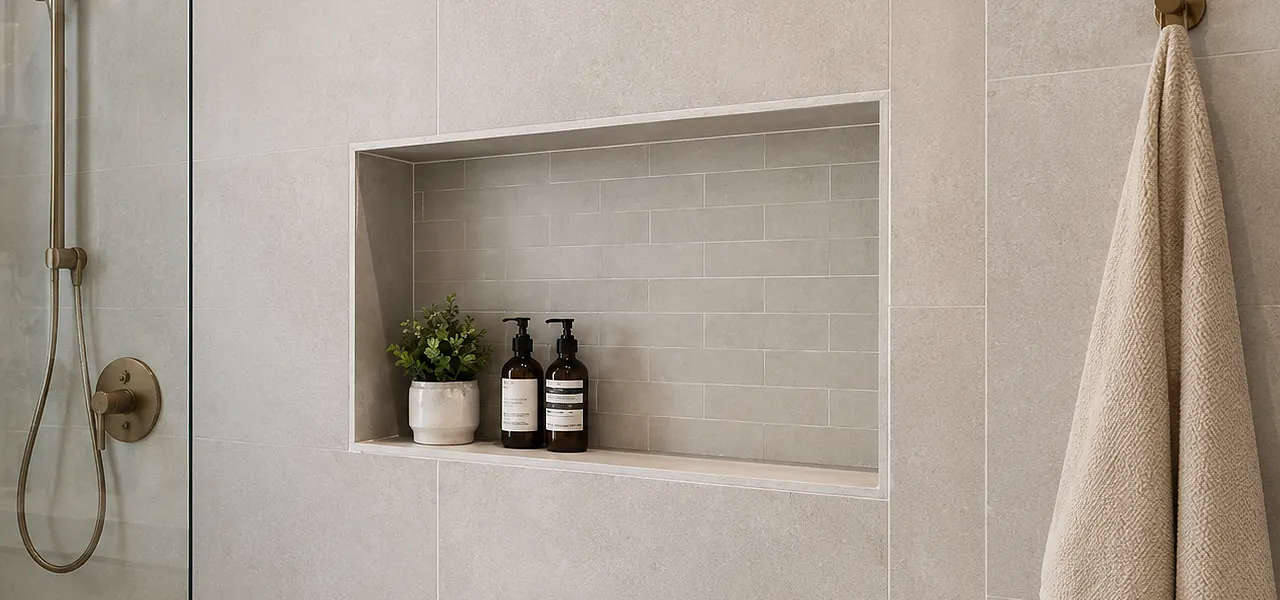
Some additional grouting might be needed (depending on the tile sizes), in addition to periodic sealing, to ensure water resistance of the shower niche.
Stainless steel
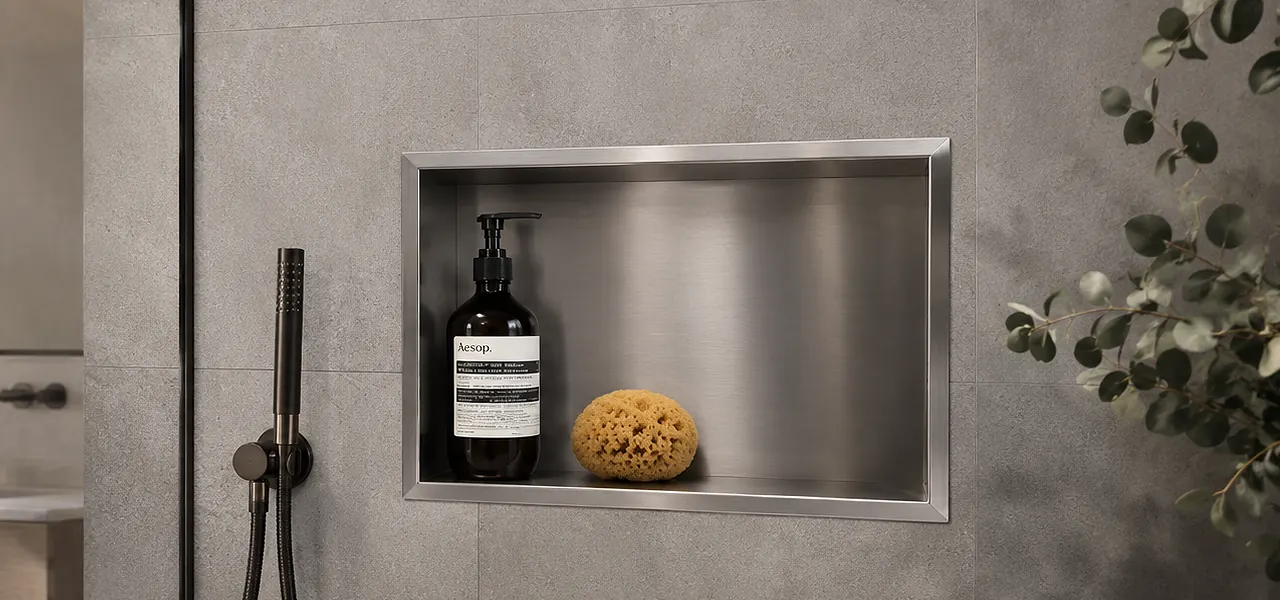
Perfect for a modern or industrial-looking bathroom, and the material is easy to maintain.
Brushed brass and matt black
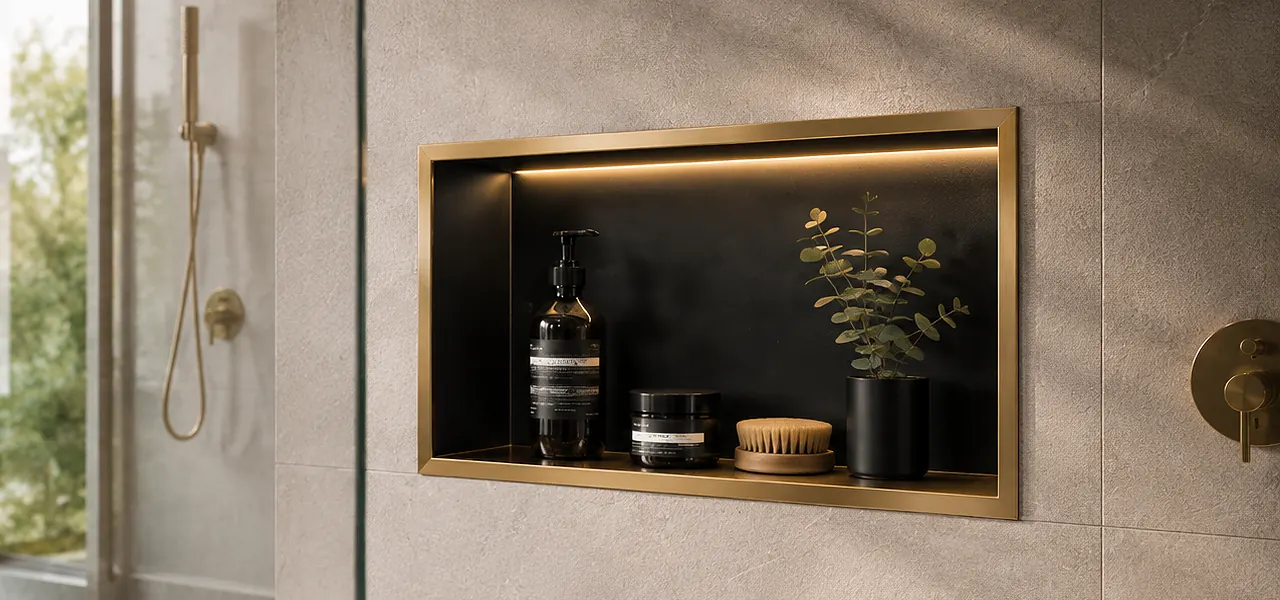
This elegant pairing is one of the more luxurious niche looks you can go for.
Preformed Inserts
Preformed inserts come ready-made in a handful of materials. They drop into an opening in the wall, then you tile around them to finish the shower. The main options:
Acrylic
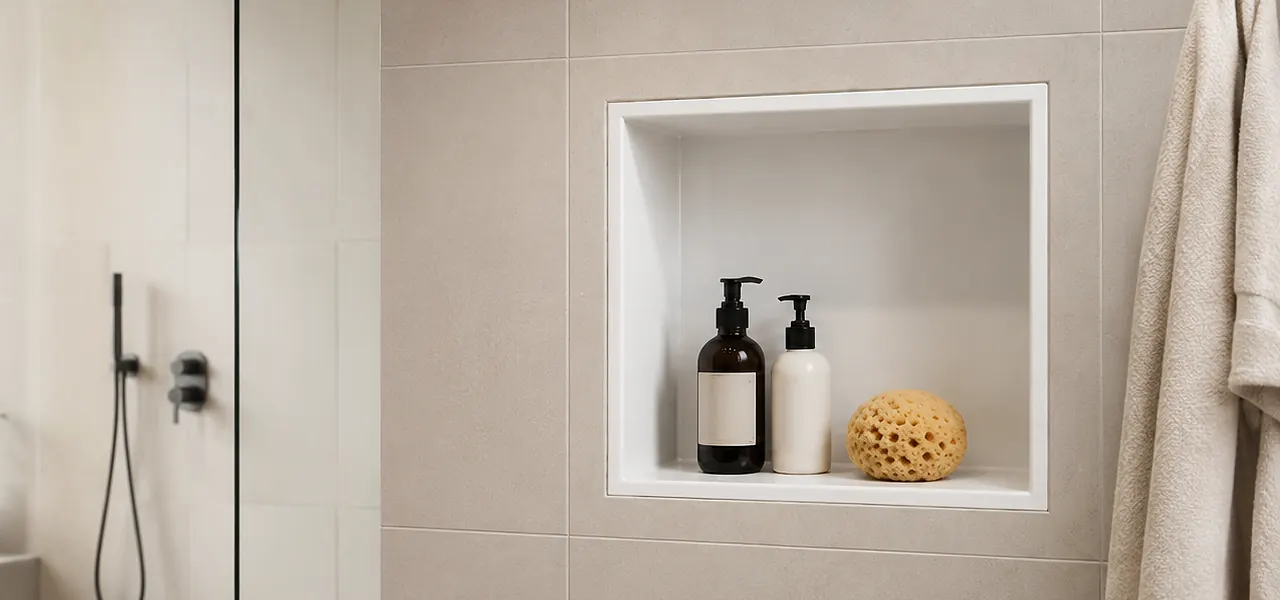
Durable, long-lasting, mould-resistant, and waterproof.
Fibreglass
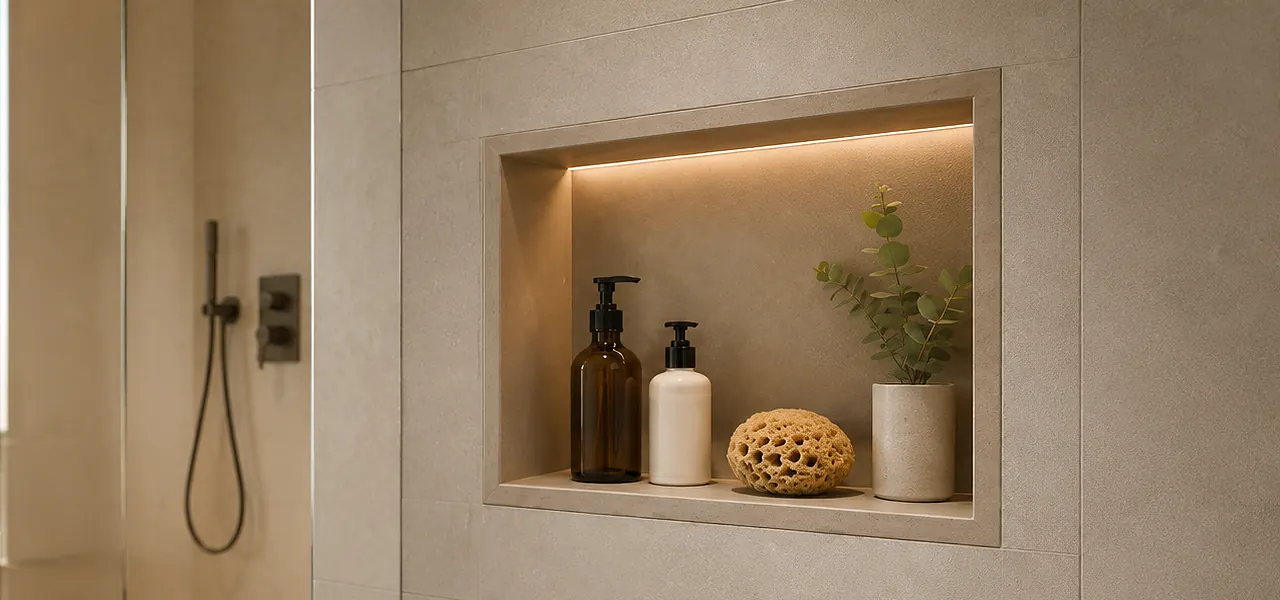
Cheaper upfront than some options, though it can need more upkeep.
Composite
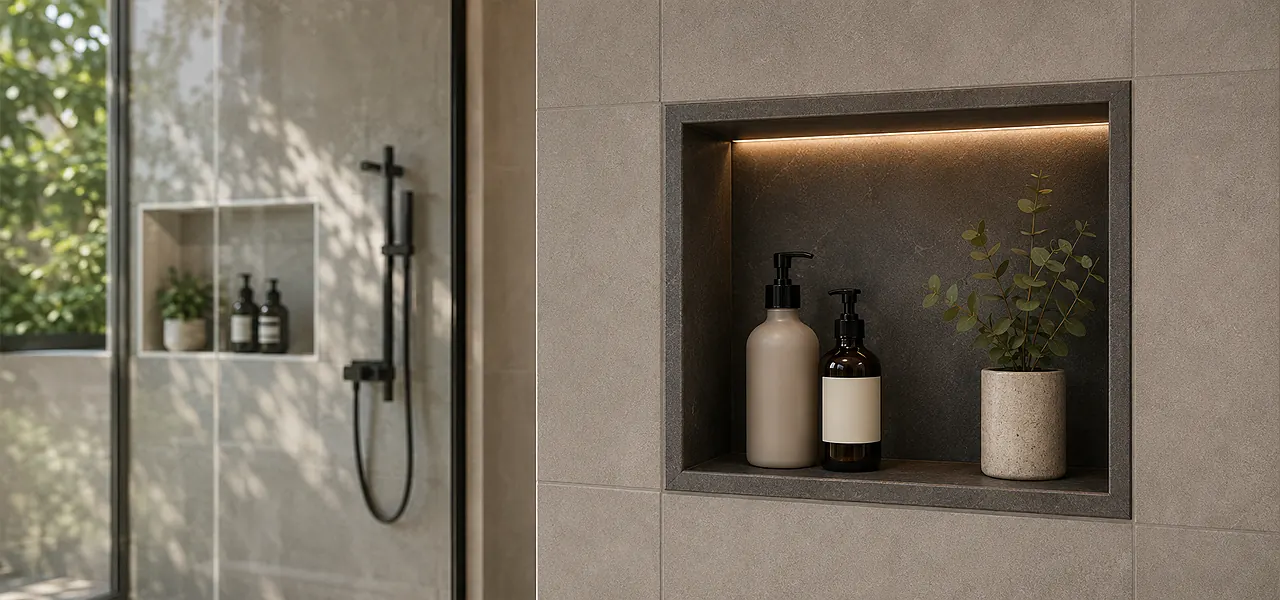
A blend of marble and resin, so they hold up well and resist water and mould.
Shower Niche Sizing and Placement
Your shower enclosure should fit your style, preferences, and budget. The biggest factor in shower niche sizing is how many people use the shower and how many products need to fit. Put simply: more people, more storage.
Dimensions
For a standard shower niche, most bathrooms use the following dimensions:
- Width. 300 mm (12").
- Height. 300–600 mm (12–24").
- Depth. 90–125 mm (3.5–5").
The 24-inch height is usually the sweet spot: plenty of room for storage without covering the whole shower wall. Depth is often limited by the wall frame, so some of your dimensions will come down to how the wall is built.
Tips for Placing a Recessed Niche
Where you put the niche affects how easy it is to use day to day:
- Eye-level. The easiest to live with. Everything sits within reach, so there’s no stretching or bending down. Ideal for family and shared showers.
- Placed along the side wall. Choose the wall carefully. Right next to the showerhead is a no-go: it sits in the splash zone, so you’ll get soap build-up and constant cleaning. On the side wall, you’ll wipe down bottles far less often.
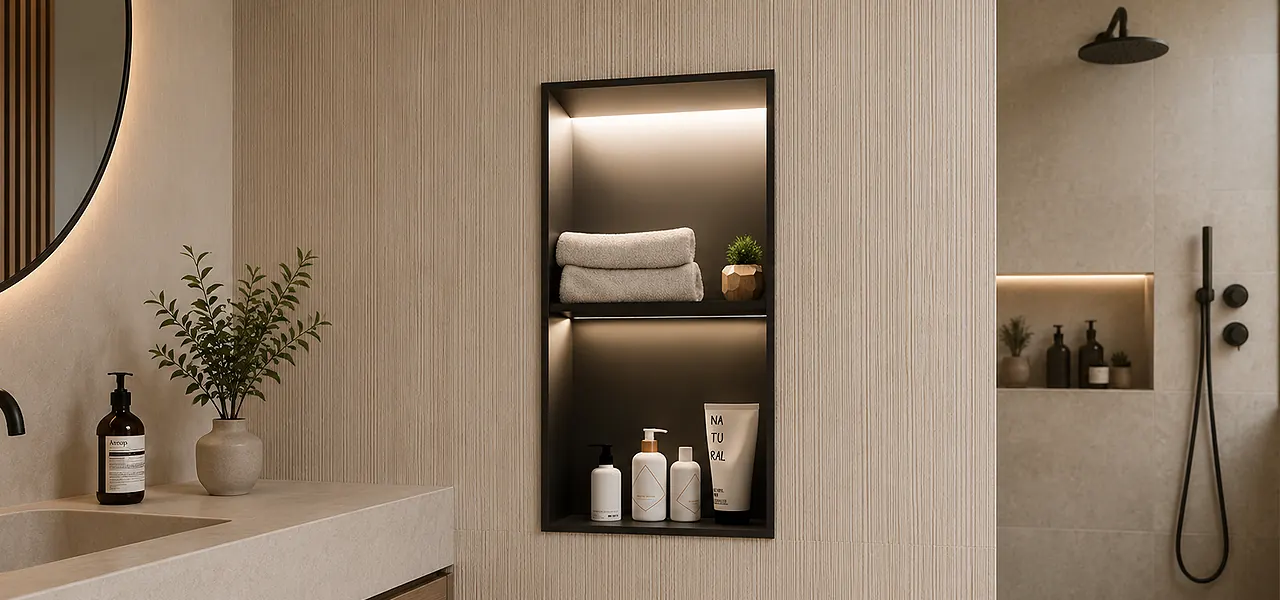
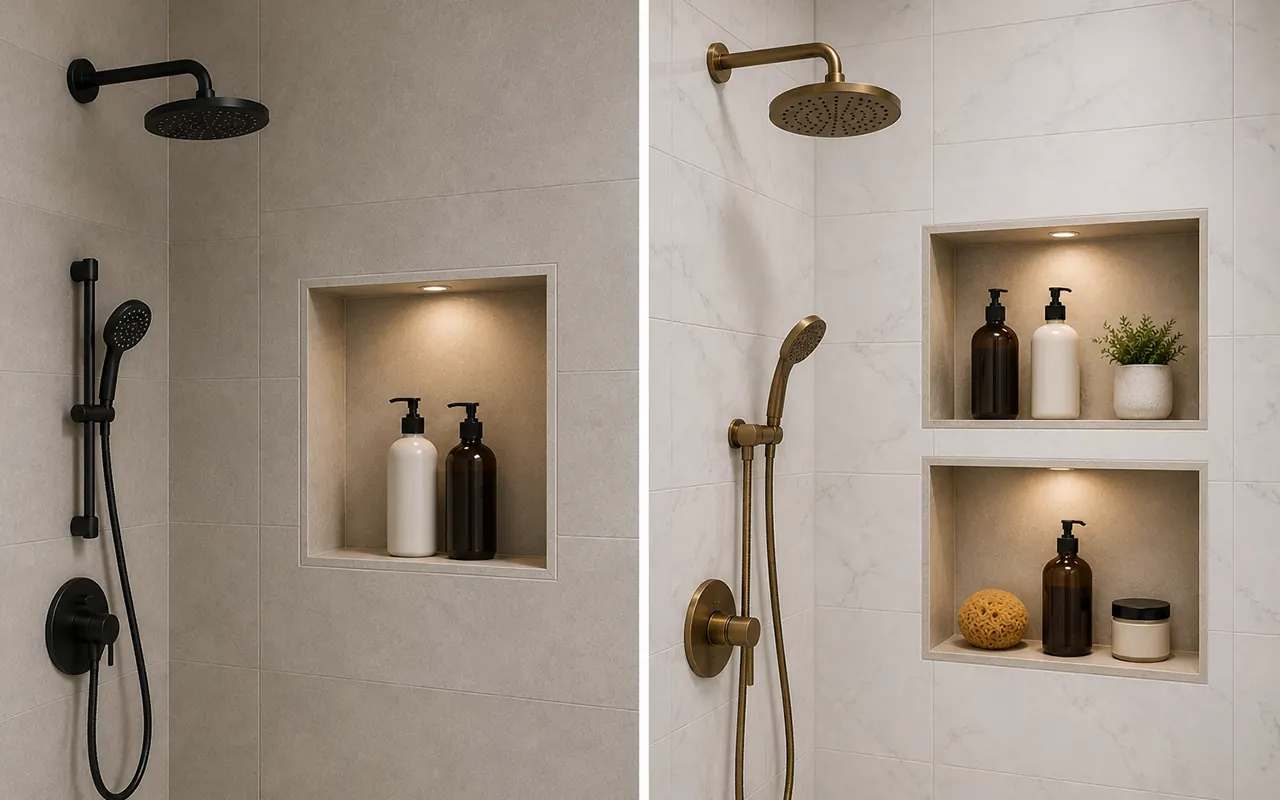
Single & Double Recessed Niches
A single recessed niche is compact and works well in smaller bathrooms, family bathrooms, and couples' bathrooms. If you want easy maintenance or a minimalist look, a single niche is a solid choice.
A double niche is the better bet in family bathrooms with lots of skincare and haircare products, adults and children sharing, and busier routines. It does mean a bit more cleaning, since there are more nooks for soap scum to collect.
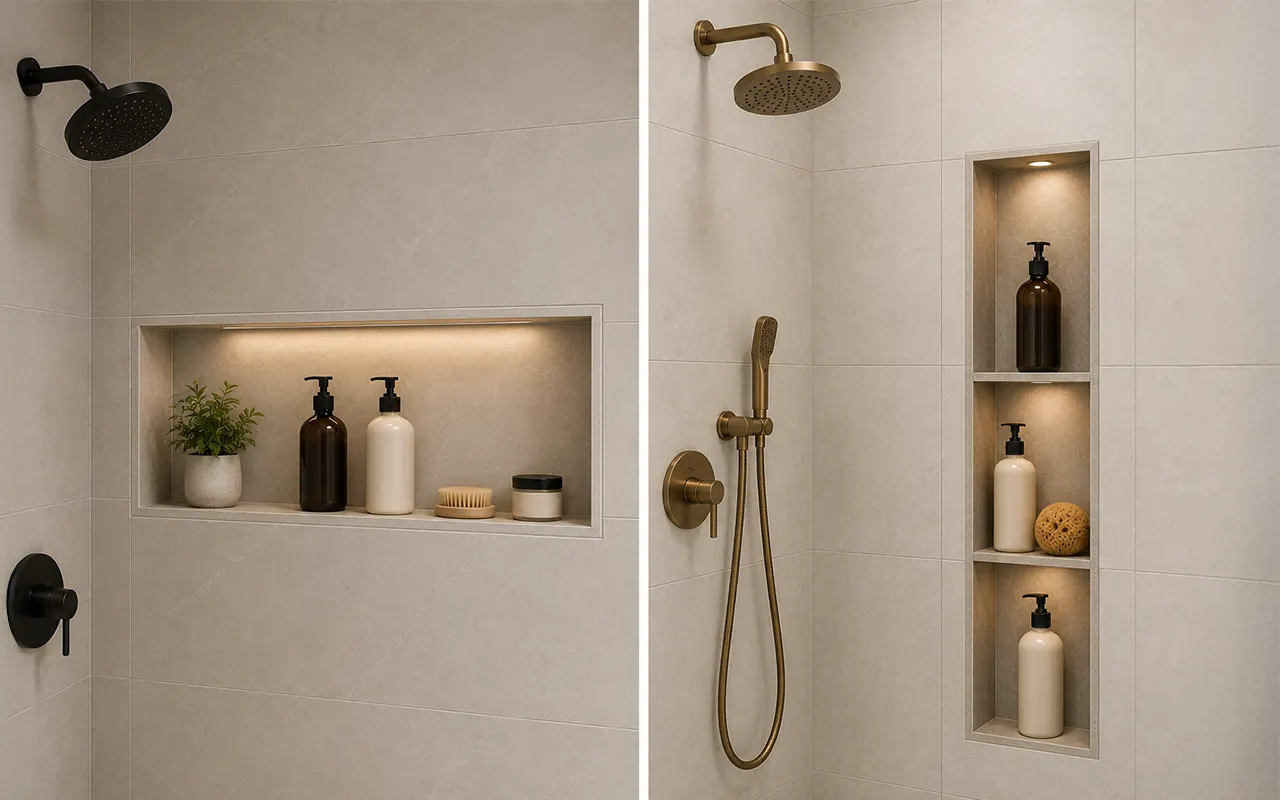
Orientation (Horizontal vs. Vertical)
A horizontally oriented niche is wider, which is good if you have several different products to store. Horizontal niches give you more freedom of movement in the shower.
A vertically oriented niche suits tall pump bottles or larger value-size products. It also helps in narrow stalls where width is tight.
Installation Tips
Design choices like colours, tiles, and shapes matter, but you also need to think about the functionality of your recessed niche, like stopping water from reaching the back wall. Here’s what to keep in mind.
Stud Wall or Masonry
Find where the studs are: the vertical timbers, or sometimes steel, that frame the wall. If there’s a gap between two studs where the niche can sit, the job is much easier because you don’t have to alter the structure.
It’s not ideal, but you can cut one or more studs if you need a larger niche.
For masonry (a concrete or solid wall you can’t cut into), it’s best to build a thin stud wall in front of it and set the niche into that. You lose a little shower space, but you save time and money.
Waterproofing Requirements
A waterproofing product called tanking membrane acts as a shield between the shower and the wall behind the niche, stopping water from seeping through. Without it, you risk mould, rot, and expensive repairs later on.
There are two main waterproofing methods: sheet membrane (a waterproof sheet applied across the whole niche; you cut and fit it into the corners) and liquid-applied membrane (a liquid you apply like paint; it dries into a flexible film over the niche).
Pay special attention to corners and edges, and create a small slope within your niche leading towards the drainage.
Compatibility With Tiles and Edge Finishing Options
Have your tiling plan ready before you install the niche, or you’ll run into trouble cutting the tiles.
Now, to decide how to deal with the edges:
Mitred edge
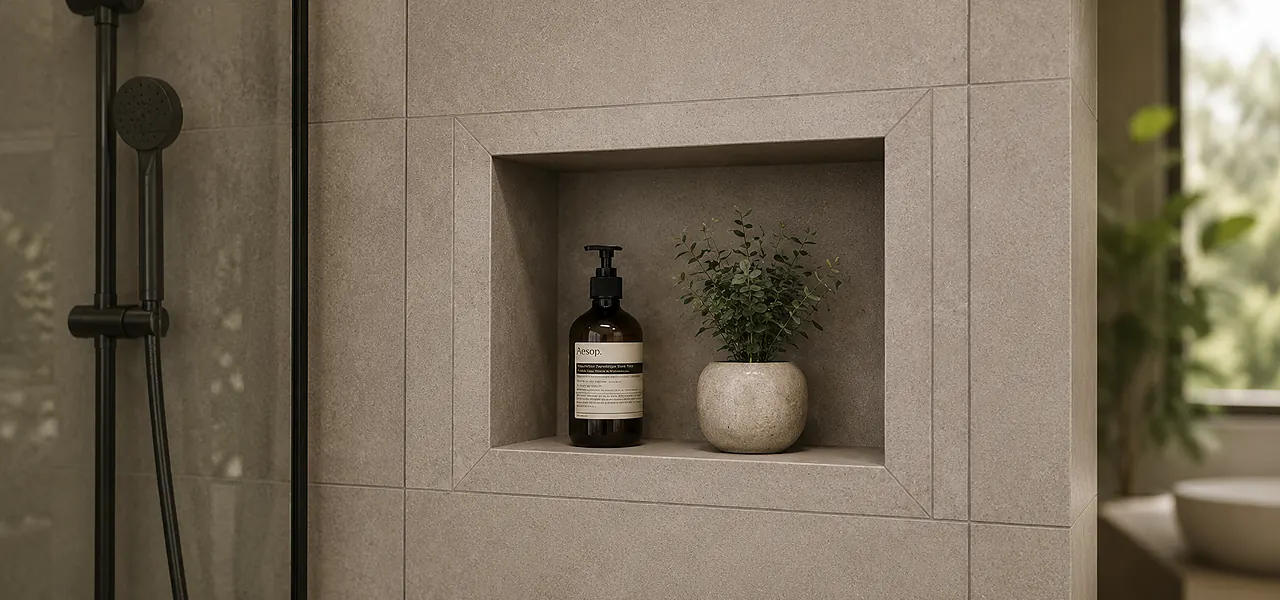
Tiles are cut at a 45-degree angle and meet at the corners, wrapping them without any extra trim.
Bullnose tile
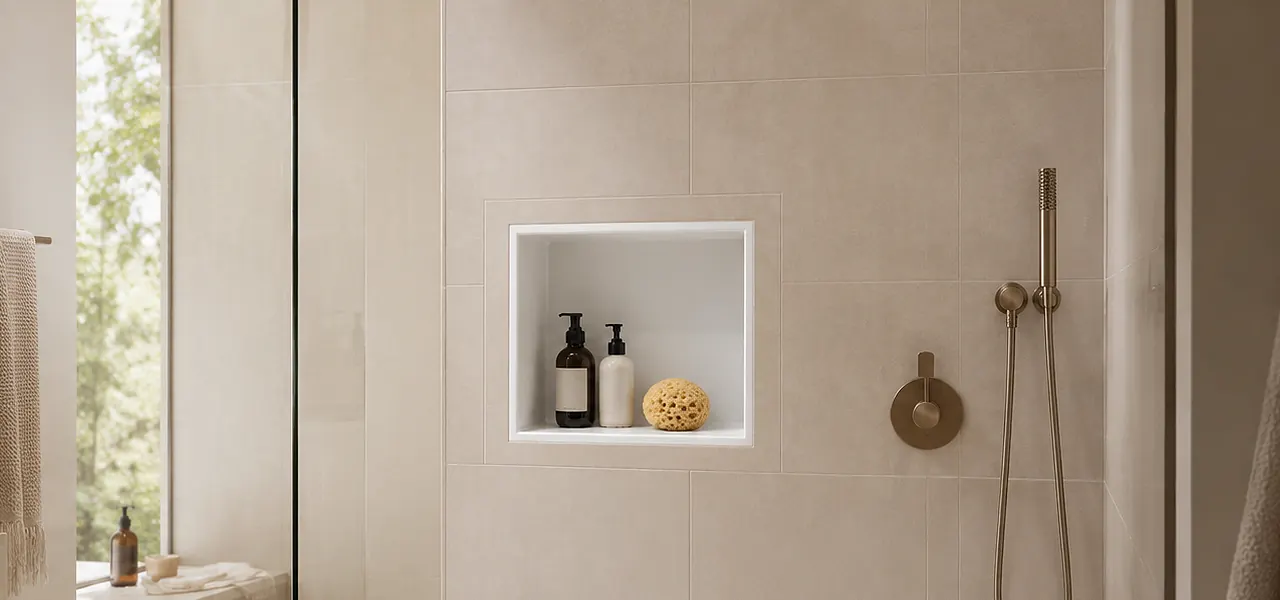
The edges are rounded for a softer, more traditional finish, with no sharp tile edges on show.
Metal trim profile
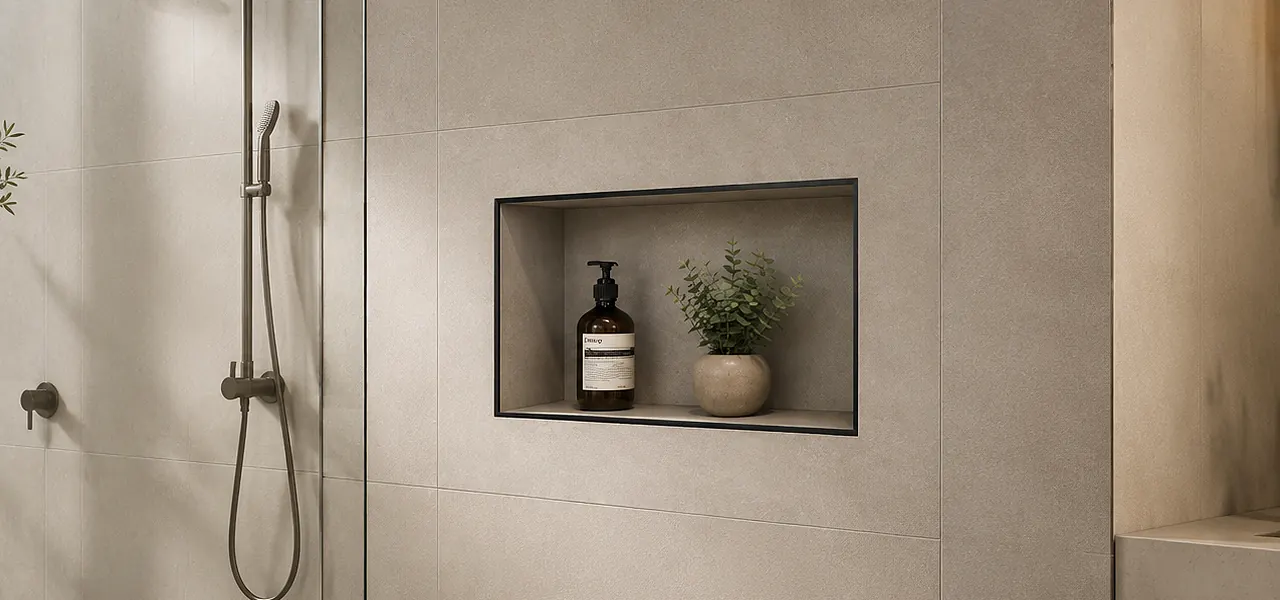
A metal strip that sits over exposed tile edges for a cleaner finish. A matt black finish creates more contrast with the surrounding tiles.
How To Tile a Shower Niche
Before cutting anything, figure out the position and location of your studs and measure the dimensions of the recessed niche that you are going to install. This is also the moment when you should consider how you would like to lay your tiles.
For the backing, use a waterproof material like foam board or concrete board, not ordinary plasterboard. This spot is constantly exposed to moisture and steam, so it needs to be moisture-proof to stop rot setting in.
Before you start installing any tiles, waterproof the recessed niche by applying a tanking membrane.
Once it’s sealed and waterproofed, you can start tiling around the niche. This is where the edge finish and grout colour work together, for either a blended look or a contrasting one.
Preformed Insert vs. Building From Scratch
A preformed insert is the convenient route, since it comes ready-made.
Pros
- It's already waterproofed
- Installation is quicker and more straightforward
- Low labour cost
- Uniform depth that matches standard shower sizes
Cons
- Limitations in sizes
- Lower design flexibility
Constructing the niche from scratch gives you the most design freedom, but there’s more to think about.
Pros
- Full customization, whatever size and shape you may prefer
- Improved design integration with your tiling layout
Cons
- Higher labour cost
- Mould protection and placement depend on how well it’s installed
Best Shower Niches at QS Supplies
Find the top shower niches below, according to your style.
Best Brushed Brass Niches
Below are the best brushed brass recessed niches if you want a warmer look.
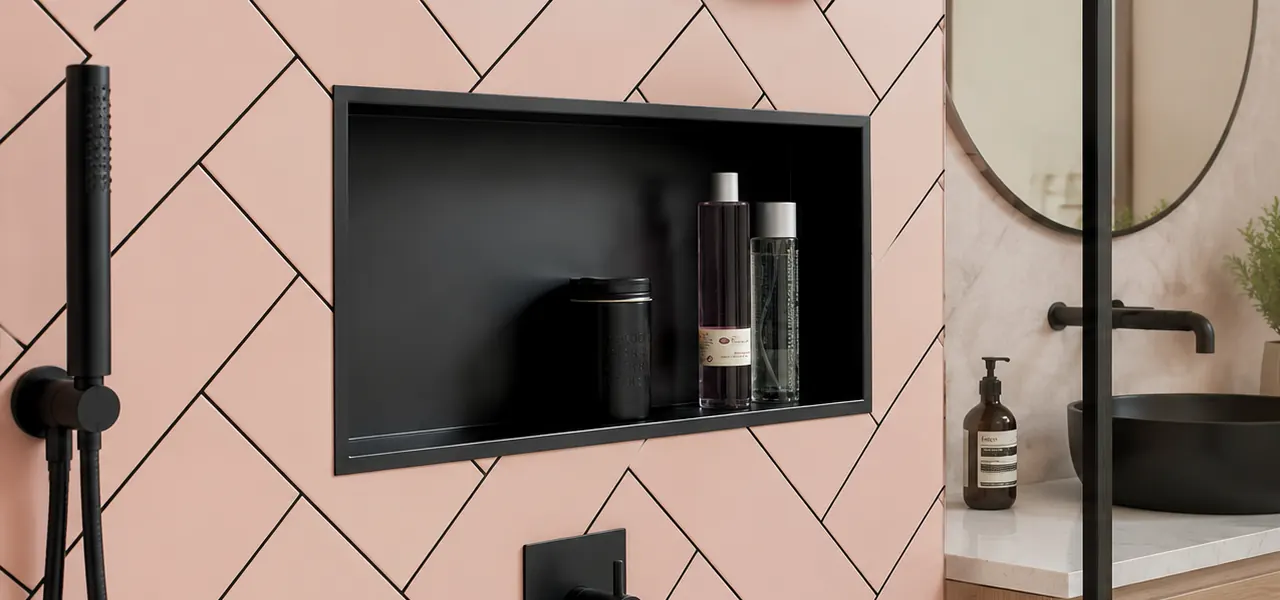
JTP VOS Brass Inwall Shower Niche
A premium look without going over the top. This brushed brass option is durable and easy to maintain, complete with a moisture-resistant finish.
Dimensions: 300 x 300 mm, 600 x 300 mm
Cost: £111.60
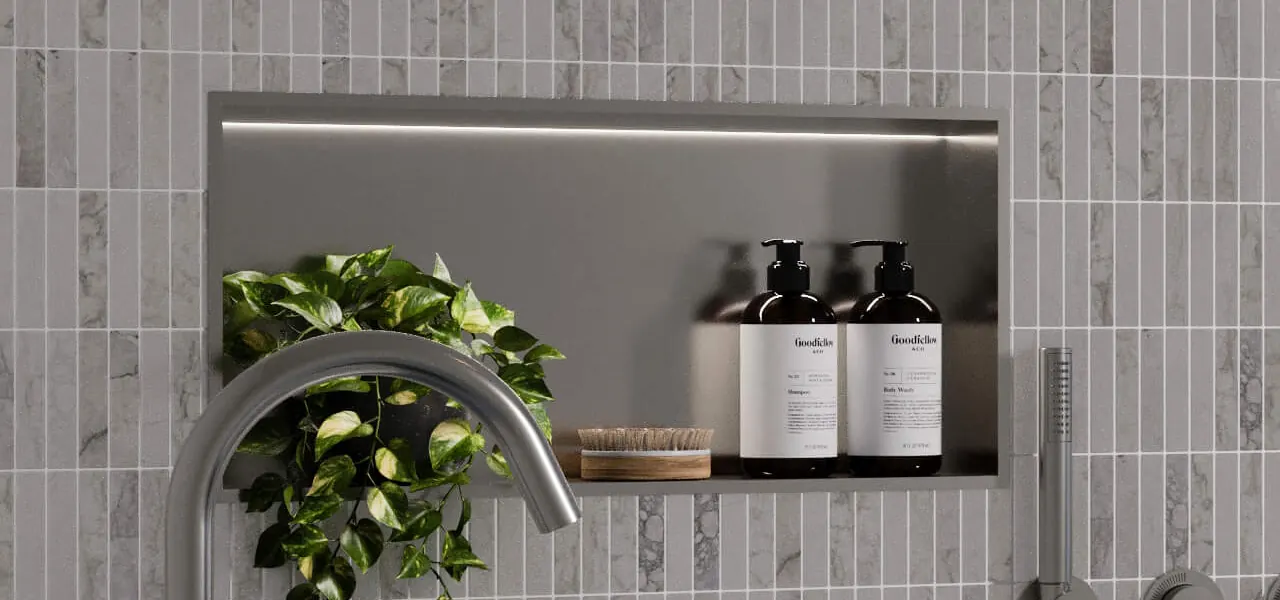
Crosswater Stainless Steel Shower Niche
Comes in a brushed brass finish as well for a clean, modern bathroom look in a variety of sizes.
Dimensions: 305 x 305 mm, 610 x 305 mm
Cost: £118.30
Best Matt Black Niches
Choose from these top matt black recessed niches if you want a bolder statement piece.
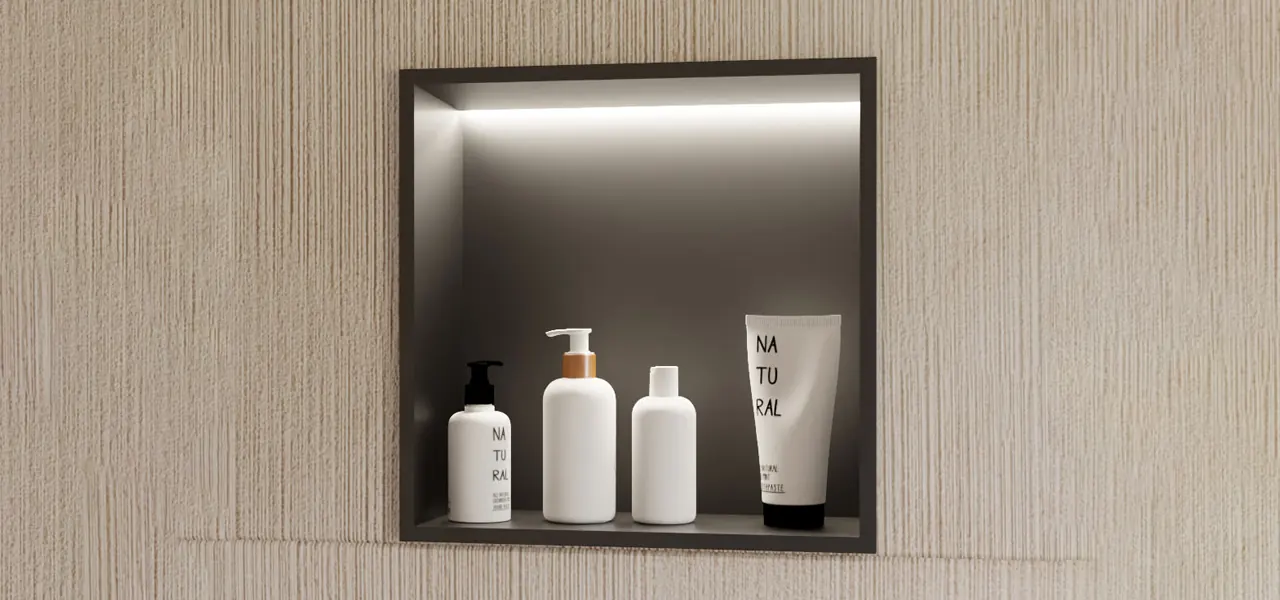
RAK INGOT Recessed Niche with LED
A design that could turn heads. This matt black LED option creates a modern, spa-inspired feel.
Dimensions: 300 x 300 mm, 600 x 300 mm, 1,200 x 300 mm
Cost: £145.51
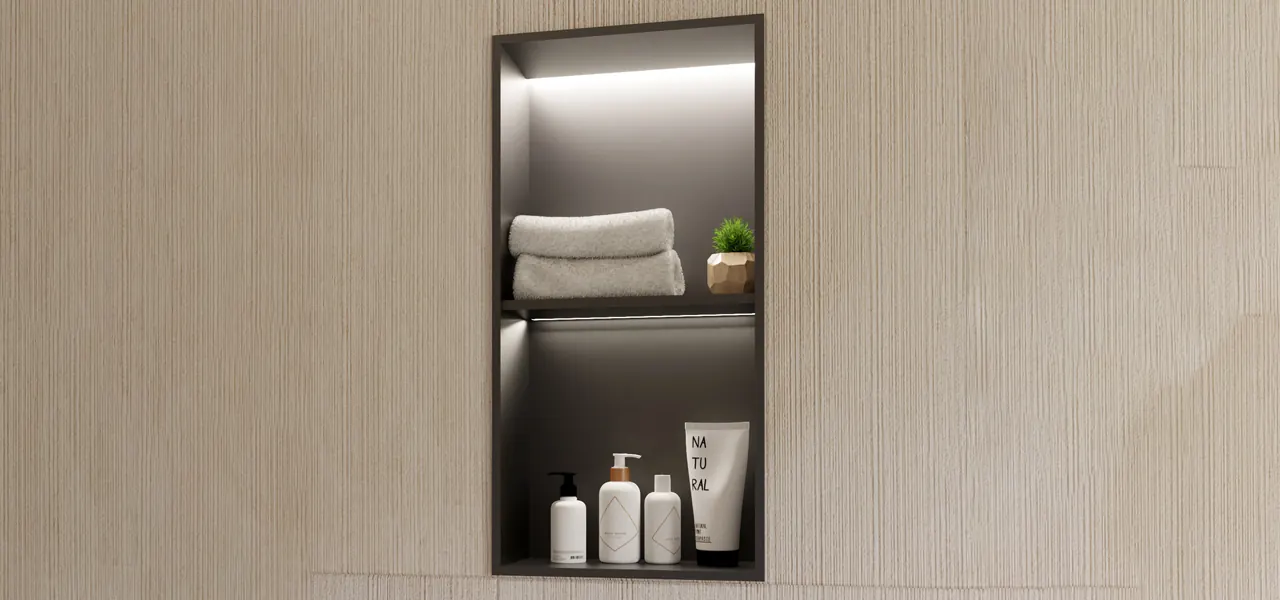
RAK INGOT 305 x 610 mm Recessed Niche with Shelf and LED
If you have multiple products or share a bathroom, this matt black recessed niche adds built-in organisation with a shelf and integrated LED lighting.
Dimensions: 305 x 610 mm
Cost: £210.05
Best Chrome & Stainless Steel Niche
Get a clean look with this top pick.
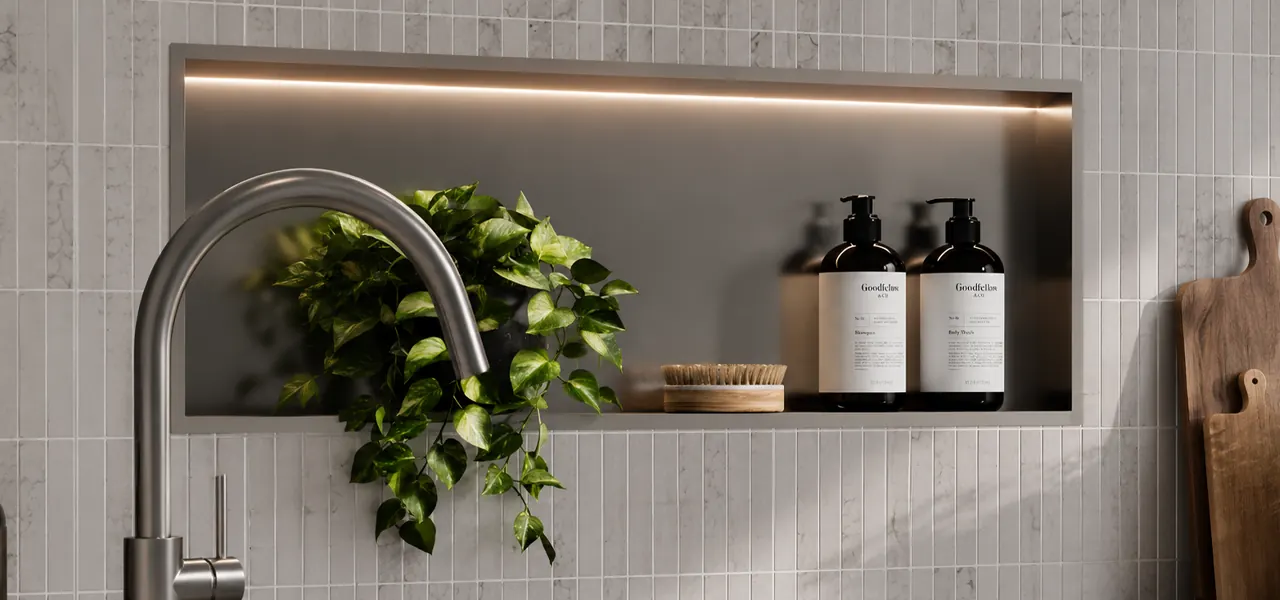
Crosswater Stainless Steel Shower Niche
The stainless steel and chrome options are practical and easy to clean with a contemporary look. Also avoids extra grout maintenance.
Dimensions: 305 x 305 mm, 610 x 305 mm
Cost: £118.31 to £125.36
Complementary Accessories
Once you’ve chosen your recessed niche, these complementary accessories can help tie the rest of your bathroom together:
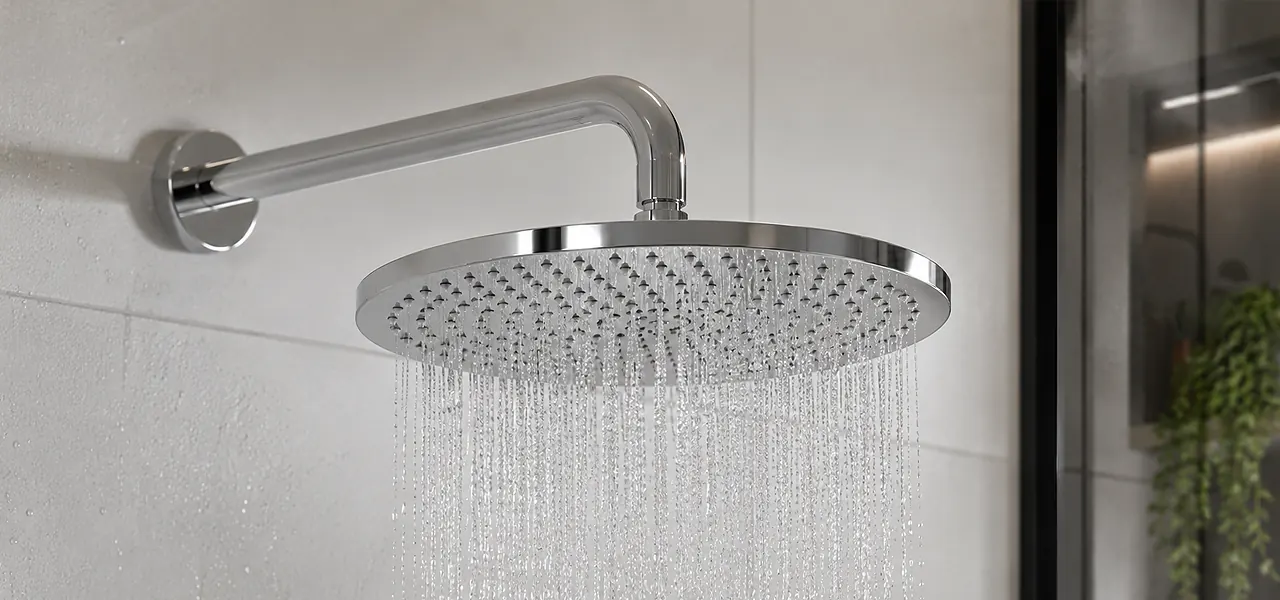
Add a multi-spray, round, square, or rainfall showerhead.
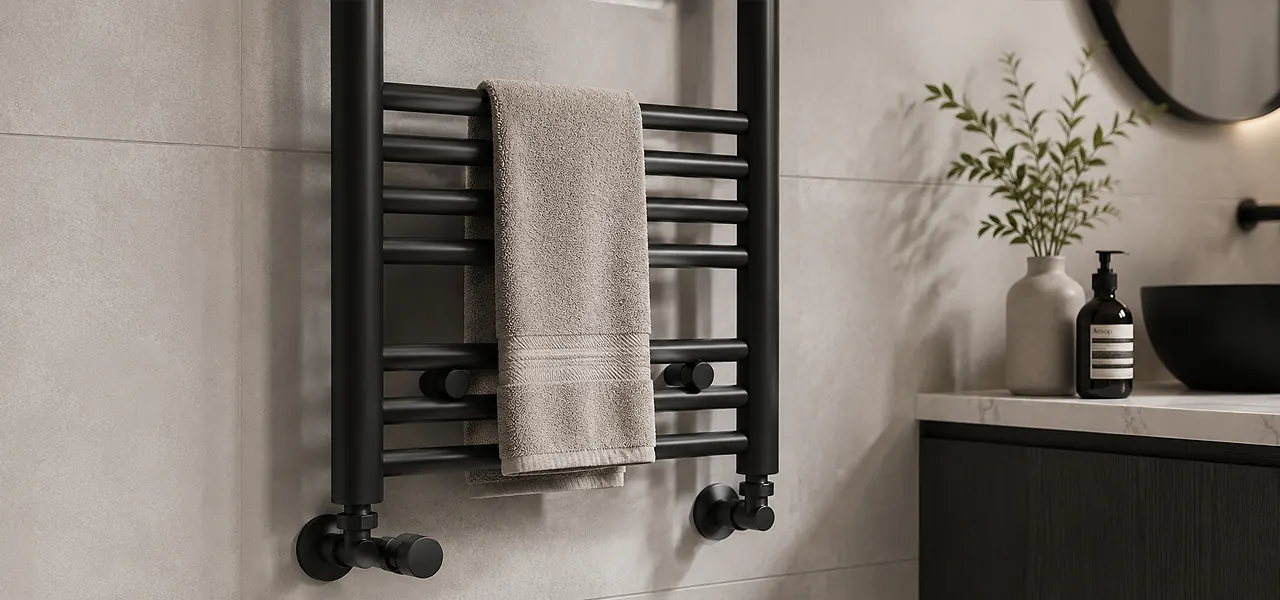
Choose from heated, flat, ladder-style, or multi-level towel rails to bring extra functionality into the bathroom.
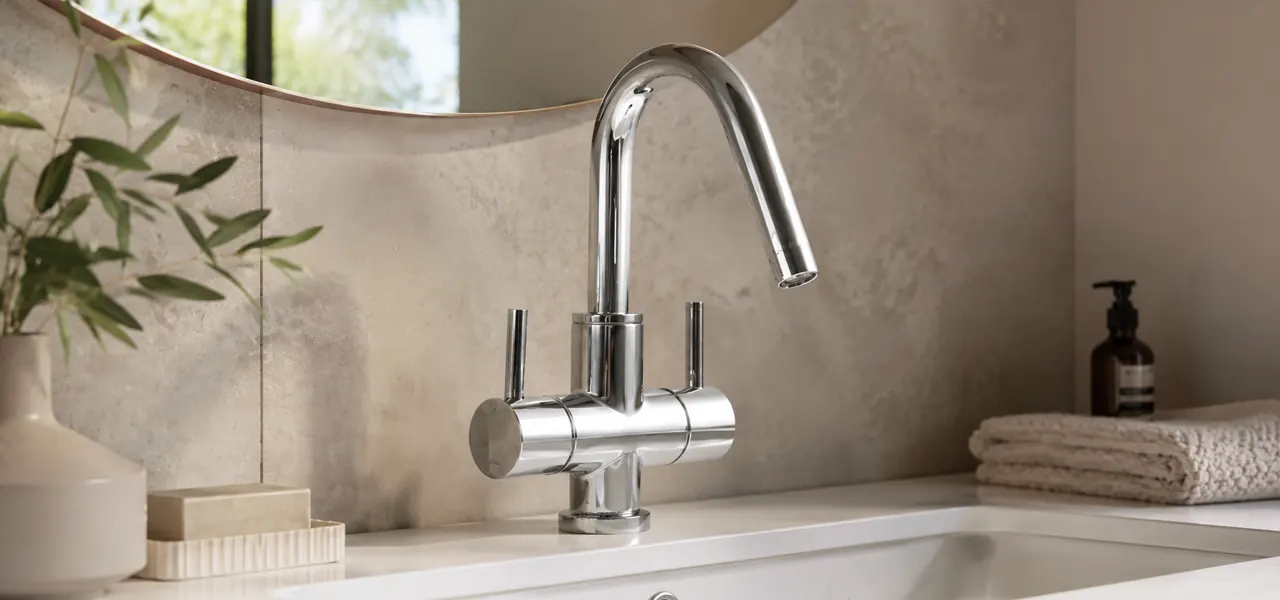
Coordinate your basin taps with your recessed niche finish and choose from a range of colours, styles, and tap types.
Find the Right Shower Niche for Your Space
A good niche should be practical and look the part. For sizing, think about how many people use the shower, what they need to store, and how the niche’s orientation works with the rest of the room.
Once that’s sorted, you can choose from any of these niche types: tiled, preformed insert, stainless steel, brushed brass, or matt black.
Ready to choose your own? Shop shower niches and complementary bathroom accessories at QS Supplies.
Shower Niche FAQs
Still have questions? Here are the answers to the most commonly asked questions about shower niches.
- What is a shower niche?
- How big should a shower niche be?
- Where should a shower niche be placed?
- Are shower niches a good idea?
- Do shower niches need to be waterproofed?
- Can I add a niche to an existing shower?