


 0
0 Clearance Sale
  Brands


 In-Stock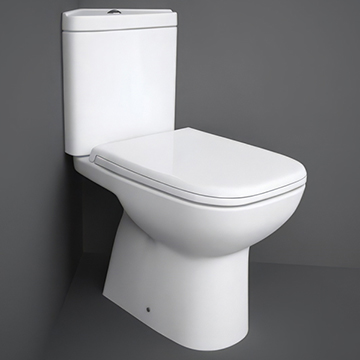
FAQs
- What are corner WCs & how do they function?
A triangle cistern or a corner toilet can be installed in a 90° corner where two bathroom walls meet. This means the toilet can fit into unused spaces, which frees up space for other fixtures. Except for the triangle cistern - the rest of the design and function are like a standard or a contemporary close coupled toilet & are just as comfortable.
- Who should choose a corner toilet?
If you've a small bathroom or awkwardly or unevenly shaped spaces, you can opt for a corner WC. By fitting into a corner - it leaves valuable floor space for accessories such as toilet brush holders, etc., in the room while still providing all the benefits of a standard toilet.
- Will I need to install special plumbing for a corner WC?
While corner WC designs use standard water supply lines, the drain pipe (soil pipe) may need to be adjusted to fit the corner. An offset or flexible pan connector can be used - if the waste outlet does not align with the corner installation. Getting help from a professional plumber can make this process simple.
- Are corner WCs water-saving?
Many modern corner WCs feature dual-flush cisterns that help reduce water consumption. They typically use standard gravity-fed or washdown flushing similar to standard toilets. Our model features dual-flush with a low water volume flush choice, saving water just like a normal toilet. Technologies such as gravity-assisted, washdown & other techniques come built into many of these modern toilets.
- Is the corner WC design a common choice in the UK?
Although not as common as the standard close-coupled, our corner WC options are popular for tight spaces, such as bathrooms, cloakrooms and en-suites. These smaller bathrooms benefit from corner-fitting design, which helps maximise space and create an open & airy layout.